Cart 0

Every great Nigerian snack moment gets better with something to dip into.
Think about it. Groundnuts pair naturally with palm wine or zobo. Garden eggs come alive next to a pot of groundnut paste. Akara tastes different and better when dipped into a fresh pepper sauce.
Nigeria’s snack culture has always understood the power of pairing. What it has not always done is to pair healthy snacks with healthy dips. That is what this guide fixes.
A well-chosen dip does three things that a plain snack cannot do alone. It adds a completely different macronutrient, pairing a carbohydrate-based snack with a protein-rich dip, for example, or adding healthy fat to a low-fat vegetable dipper. It extends the eating experience, slowing down consumption and improving satiety signals. And it dramatically increases the nutritional value of a single snack occasion with almost zero extra effort.
Why Dips Make Healthy Snacking More Effective
The Nutritional Case for Pairing Snacks with Dips
A plain vegetable stick such as cucumber, carrot, or garden egg, is nutritious on its own. Add a tablespoon of groundnut paste and you transform that snack from a low-calorie nibble into a balanced mini-meal delivering protein, healthy fat, fibre, and multiple micronutrients simultaneously. This combination produces a meaningfully stronger satiety response than either food eaten alone.
Research published in the American Journal of Clinical Nutrition found that pairing vegetables with fat-containing dips significantly increased absorption of fat-soluble vitamins (A, D, E, and K) from the vegetables. This is a benefit that simply eating vegetables without fat cannot deliver. Nigeria’s groundnut paste, avocado-based dips, and red palm oil preparations are all fat-containing dips that enhance the nutritional value of the plant foods they accompany.
How Dips Slow Down Eating and Improve Satisfaction
Dipping is inherently a slower eating behaviour than picking up a handful of snacks and eating them quickly. That slower pace gives the body’s satiety signalling system which takes approximately 15–20 minutes to register fullness; time to catch up with what you have actually consumed. Nigerian households that incorporate dips into snack time consistently report greater satisfaction from smaller quantities of food.
This matters practically. A bowl of plain roasted groundnuts eaten quickly can disappear in three minutes. The same groundnuts eaten as dippers alongside a bean dip, with vegetable sticks alternating in between, becomes a 15-minute snack occasion that feels significantly more satisfying while delivering better nutritional balance.
6 Easy Healthy Nigerian Dip Recipes
Each recipe below takes under ten minutes to prepare, uses ingredients available in Nigerian markets and supermarkets, keeps in the refrigerator for 3–5 days, and delivers genuine nutritional value alongside great flavour.
1. Classic Nigerian Groundnut Paste Dip
Ingredients: 200g roasted groundnuts (unsalted), 2 tbsp warm water, 1 tsp fresh ginger (grated), pinch of sea salt, optional: small amount of crayfish powder for depth of flavour.
Quick method: Blend roasted groundnuts in a food processor or blender until smooth, adding warm water gradually to reach a dippable consistency. Add ginger, salt, and crayfish powder. Blend for 30 more seconds. Store refrigerated in a sealed container.
Nutritional highlight: Each 2-tablespoon serving provides approximately 8g of protein, 16g of healthy monounsaturated fat, 2g of fibre, and meaningful vitamin E. One of the most nutritionally complete dips available anywhere in the world, made entirely from Nigerian ingredients.
Pair with: Garden egg slices, cucumber sticks, rice cakes, baked plantain chips, celery sticks, whole grain crackers.
2. Black-Eyed Bean Hummus — A West African take on the world’s most popular healthy dip
Ingredients: 400g cooked black-eyed beans (or one tin, drained), 2 tbsp olive oil or groundnut oil, juice of 1 lemon or lime, 1 clove garlic, 1 tsp ground cumin, salt to taste, water to adjust consistency.
Quick method: Blend all ingredients together until smooth. Add water one tablespoon at a time until the texture is creamy and dippable. Taste and adjust seasoning. Drizzle with a small amount of red palm oil before serving for colour and flavour.
Nutritional highlight: Black-eyed beans deliver approximately 8g of plant protein and 6g of fibre per 100g serving, making this one of the most filling dips on this list. Rich in folate (critical for pregnant Nigerian women), iron, and potassium. The addition of palm oil provides beta-carotene (vitamin A).
Pair with: Baked yam crisps, plantain chips, roasted groundnuts, whole grain crackers, cucumber rounds, carrot sticks.
3. Avocado and Garden Egg Dip — Creamy, green, and deeply Nigerian
Ingredients: 2ripe avocados, 1 medium garden egg (roasted over flame or grilled until soft), juice of 1 lime, 1 small ata rodo (scotch bonnet), optional for heat, salt and pepper to taste.
Quick method: Roast the garden egg directly over a gas flame or under a grill until the skin chars and the flesh softens (approximately 8 minutes). Peel off the charred skin. Mash avocado and garden egg flesh together with lime juice. Season. The roasted garden egg adds a subtle smokiness that elevates the avocado significantly.
Nutritional highlight: Avocado provides oleic acid; the same heart-healthy monounsaturated fat found in olive oil, alongside potassium, folate, and vitamins K and E. Garden egg adds nasunin (a neuroprotective antioxidant in the purple skin) and additional fibre. Together they create one of the most micronutrient-rich dips on this list.
Pair with: Rice cakes, roasted soybeans, baked plantain chips, vegetable sticks of all kinds, whole grain toast pieces.
4. Tatashe and Fresh Tomato Salsa — Nigeria’s answer to fresh salsa; bright, vibrant, and zero fat
Ingredients: 3 medium fresh tomatoes, 1 large tatashe (red bell pepper), 1 small onion, 1 ata rodo (adjust to heat preference), small bunch of fresh coriander or scent leaf (efirin), juice of half a lime, salt to taste.
Quick method: Roughly chop all ingredients. For a fresh, chunky salsa, pulse briefly in a blender, do not over-blend. For a smoother version, blend fully. Do not cook. The raw preparation preserves the maximum vitamin C content. Season and refrigerate immediately. Best consumed within 2 days.
Nutritional highlight: This is the lowest-calorie dip on the list at approximately 20 kcal per serving. Rich in vitamin C (from tatashe and lime), lycopene (from tomatoes — a potent antioxidant linked to reduced prostate and breast cancer risk), and quercetin (from onion). An excellent dip for Nigerians watching caloric intake.
Pair with: Baked yam crisps, popped sorghum, whole grain crackers, roasted groundnuts, baked garden egg chips.
5. Egusi and Leafy Green Dip
Ingredients: 3 tbsp ground egusi (melon seeds), 2 tbsp red palm oil, 1 small onion (blended), small handful of washed and finely chopped ugwu or efo leaves, crayfish powder, seasoning to taste, warm water to adjust consistency.
Quick method:
Lightly toast the ground egusi in a dry pan for 2 minutes. Add palm oil and blended onion and cook briefly for 3–4 minutes, stirring. Add crayfish, seasoning, and a small amount of warm water to reach a thick, dippable paste consistency. Stir in finely shredded greens and remove from heat immediately to preserve nutrients.
Nutritional highlight: Egusi seeds are extraordinarily rich in zinc (critical for immune function and wound healing), magnesium, and essential fatty acids. Red palm oil delivers beta-carotene and vitamin E. Ugwu or efo adds iron, folate, and vitamin K. This dip provides the nutritional depth of a main course in a snack-sized portion.
Pair with: Roasted plantain slices, boiled yam chunks, whole grain crackers, boiled sweet potato bites, garden egg slices.
6. Zobo-Infused Yoghurt Dip with Ginger — A sweet-tangy dip that bridges snacks and dessert
Ingredients: 200g plain unsweetened yoghurt (Greek-style for best protein content), 3 tbsp concentrated zobo (hibiscus) reduction (boil dried zobo with ginger and cloves until reduced by half, then cool), 1 tsp honey, pinch of ground ginger.
Quick method: Prepare the zobo reduction by boiling dried hibiscus flowers with ginger and cloves in a small amount of water until concentrated to a thick, dark syrup. Cool completely. Stir into plain yoghurt with honey and ground ginger. Taste and adjust sweetness. Refrigerate. The result is a deep red, tangy-sweet dip with a beautiful colour.
Nutritional highlight: Plain yoghurt delivers casein protein (slow-releasing, highly satiating), calcium, and beneficial bacteria for gut health. Zobo (hibiscus) is rich in vitamin C and anthocyanins, potent antioxidants with documented anti-hypertensive effects particularly relevant for Nigerian adults. This is the only sweet dip on the list and works best with fruit-based dippers.
Pair with: Fresh fruit slices (mango, banana, pawpaw), tiger nut clusters, plain rice cakes, whole grain crackers, dried dates.
The Nigerian Healthy Snack and Dip Pairing Matrix
Use this table as a quick-reference guide when planning your snack occasions. Each pairing is selected for nutritional complementarity; combining macronutrients that balance each other, as well as flavour compatibility.
| Snack / Dipper | Best Dip Match | Why It Works |
|---|---|---|
| Cucumber sticks | Groundnut paste dip | Fat + protein balance the high water content; adds satiety |
| Garden egg slices | Groundnut paste or bean hummus | Antioxidants from garden egg + protein from dip = complete snack |
| Baked plantain chips | Black-eyed bean hummus | Complex carb + plant protein; both are low-GI together |
| Baked yam crisps | Tatashe salsa | Starchy dipper + vitamin C-rich dip boosts iron absorption |
| Rice cakes | Avocado and garden egg dip | Neutral base + healthy fat = sustained energy release |
| Roasted soybeans | Zobo yoghurt dip | Protein on protein — maximum satiety, excellent for post-workout |
| Whole grain crackers | Egusi and leafy green dip | Fibre-rich cracker + micronutrient-dense dip = powerhouse pairing |
| Fresh fruit slices | Zobo yoghurt dip | Natural sugars + probiotic protein = a satisfying sweet snack |
| Tiger nut clusters | Groundnut paste | Double fibre hit; both are prebiotic — excellent for gut health |
| Carrot sticks | Black-eyed bean hummus | Beta-carotene + folate and iron; fat in dip boosts vitamin A absorption |
Meal-Prepping Nigerian Dips for the Week
A Simple Sunday Dip Prep Routine
The single most effective way to eat healthy snacks with dips consistently is to prepare dips in advance. A 45-minute Sunday session produces enough dips to cover an entire week of healthy snacking for a family without any daily cooking required. Here is a practical prep order:
- Start with the black-eyed bean hummus — it takes the longest (cooking beans if not using tinned) and keeps for up to 5 days refrigerated.
- Make the groundnut paste dip — 5 minutes in a blender. Store in a sealed jar. Keeps refrigerated for up to 2 weeks.
- Prepare the tatashe salsa — 5 minutes, no cooking required. Store refrigerated and consume within 2 days.
- Make the avocado and garden egg dip last — avocado oxidises quickly. Add lime juice generously to slow browning and consume within 1–2 days. Press cling film directly onto the surface to reduce air contact.
- Prepare the zobo reduction for the yoghurt dip. Make a large batch of concentrated zobo. It keeps refrigerated for 2 weeks and can be stirred into fresh yoghurt daily.
Storage and Food Safety in Nigerian Kitchens
Nigerian tropical temperatures accelerate bacterial growth in dips and sauces. Follow these storage practices to keep homemade dips safe:
- Always refrigerate dips immediately after preparation. Never leave at room temperature for more than 2 hours.
- Use clean, dry utensils every time you serve from a dip container. Double-dipping with used utensils significantly reduces shelf life.
- Glass containers with tight lids outperform plastic for dip storage. They do not absorb odours and are easier to clean thoroughly.
- If your refrigerator runs inconsistently due to power supply issues, prioritise consuming bean-based dips within 2–3 days. Nut-based dips (groundnut paste) are more stable and keep longer.
Building a Healthy Nigerian Snack Platter for Guests
The Nigerian Healthy Snack Board — A Step-by-Step Guide
Healthy Nigerian snack platters are gaining popularity at family gatherings, corporate events, and home entertaining occasions where hosts want to offer something thoughtful and nutritious rather than the standard spread of chin-chin, biscuits, and soft drinks.
A well-constructed Nigerian healthy snack board follows the same principles as any great snack platter: variety of colours, textures, and flavours, a balance of sweet and savoury, and a mix of light and more substantial items. Here is a complete formula:
Nigerian Healthy Snack Platter Formula (Serves 6–8)
- Protein anchor (choose 2): Roasted nut mix, boiled eggs halved, moi moi in bite-size portions, roasted soybeans
- Crunchy dippers (choose 3): baked plantain chips, rice cakes, whole grain crackers, baked yam crisps, raw garden egg slices, cucumber rounds
- Fresh fruit (choose 2–3 seasonal options): watermelon cubes, mango slices, pawpaw wedges, sliced banana, halved grapes if available
- Dips (choose 2–3 from the recipes above): groundnut paste, black-eyed bean hummus, tatashe salsa, avocado garden egg dip
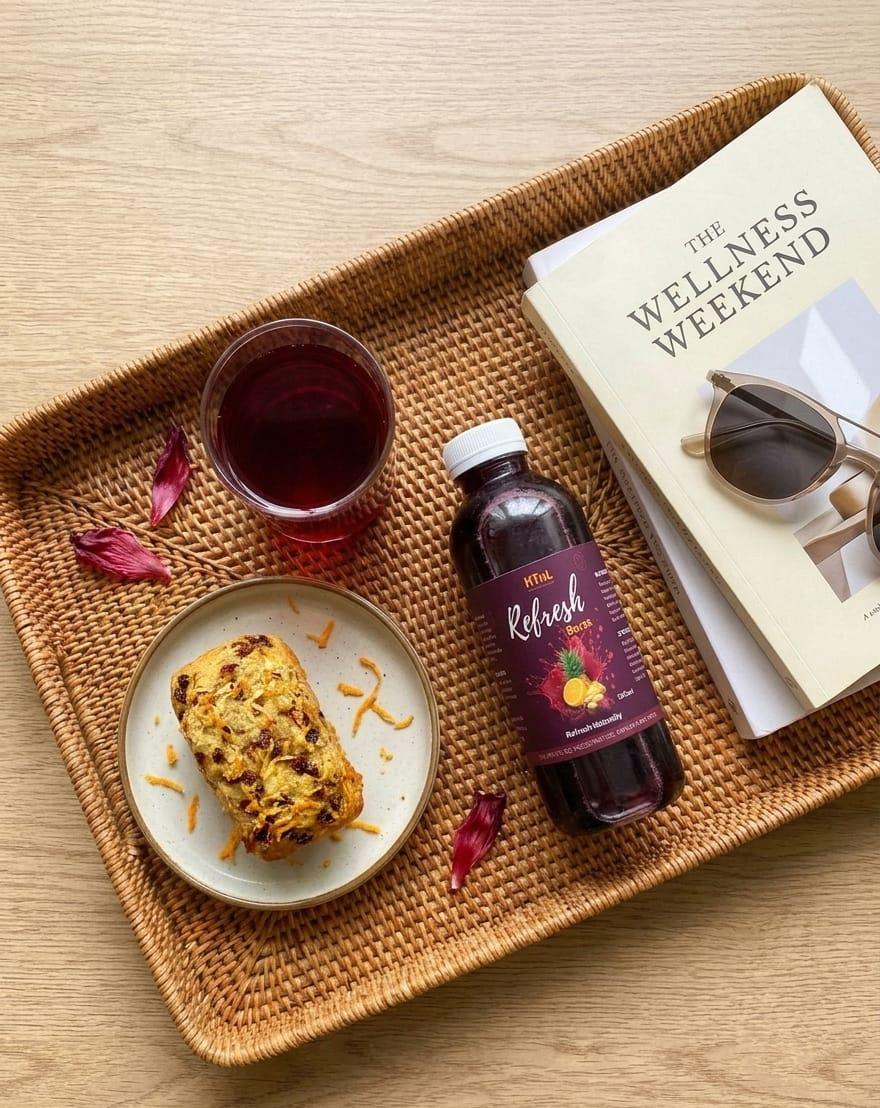
- Drinks (choose 1–2): fresh zobo with minimal sugar, tigernut milk (kunun aya), coconut water, infused water with cucumber and mint
- Presentation tip: arrange from left to right: dips in small bowls first, dippers fanning out beside them, fruit clustered at the far end. Use a large wooden board or woven tray for a natural, warm Nigerian aesthetic.
Healthy Snacks and Drinks That Complete the Nigerian Snack Experience
Drinks are the most overlooked element of Nigerian healthy snacking. The wrong drink — a sugary soft drink or over-sweetened juice, can undo the nutritional benefit of an otherwise excellent snack-and-dip combination. The right drink enhances both nutrition and satisfaction.
- Zobo (hibiscus drink) with minimal sugar: Rich in vitamin C and anthocyanins with documented anti-hypertensive effects. Serve chilled. Pairs with savoury snack platters and sweet fruit-based snacks equally.
- Tigernut milk (kunun aya): Nigeria’s original plant-based milk. Rich in prebiotic fibre, magnesium, and oleic acid. Naturally sweet, creamy, and filling. Pairs exceptionally well with the zobo yoghurt dip and fruit-based snacks.
- Coconut water: Natural electrolytes (potassium, magnesium, sodium) make coconut water an excellent accompaniment to post-workout snack-and-dip occasions.
- Infused water: Slice cucumber, mint, and lime into a large jug of water. Serve chilled. Zero calories, visually striking, and deeply refreshing in Nigerian heat.
Frequently Asked Questions — Healthy Snacks and Dips
How do I make a healthy Nigerian bean dip at home?
To make healthy Nigerian bean hummus: blend 400g of cooked black-eyed beans with 2 tablespoons of groundnut oil, the juice of one lime, one clove of garlic, one teaspoon of ground cumin, and salt to taste. Add water gradually until the texture is creamy. Drizzle with red palm oil before serving. It keeps refrigerated for up to five days.
What healthy dips can pregnant Nigerian women eat?
Pregnant Nigerian women can safely eat groundnut paste, black-eyed bean hummus, avocado and garden egg dip, and tatashe salsa. Black-eyed bean hummus is particularly beneficial during pregnancy as it is rich in folate, iron, and protein; three of the most critical nutrients for foetal development. Avoid unpasteurised dairy-based dips.
How long do homemade Nigerian dips last in the fridge?
A: Groundnut paste keeps refrigerated for up to two weeks. Black-eyed bean hummus and egusi dip last 4–5 days. Tatashe salsa is best consumed within 2 days. Avocado and garden egg dip lasts 1–2 days (press cling film directly onto the surface to slow oxidation). Zobo yoghurt dip lasts 3–4 days. Always use clean utensils when serving.
What are easy healthy snack and dip combinations for kids in Nigeria?
Easy healthy snack and dip combinations for Nigerian kids include: cucumber sticks with smooth groundnut paste, baked plantain chips with tatashe salsa, rice cakes with avocado and garden egg dip, fresh fruit slices with zobo yoghurt dip, and sweet potato bites with black-eyed bean hummus. Involve children in choosing and preparing their dippers to build positive food habits.
Conclusion: The Dip Changes Everything
The difference between a snack that satisfies and one that leaves you reaching for more often comes down to one thing: balance. A crunchy dipper on its own is incomplete. Pair it with the right dip and you have protein, healthy fat, fibre, vitamins, and flavour in a single, enjoyable eating occasion.
Nigeria’s kitchens already have everything needed to make the six dips in this guide. Groundnuts, black-eyed beans, garden eggs, tatashe, egusi, avocados, and zobo are not exotic health food imports. They are the foundations of Nigerian cooking, familiar to every household, available in every market, and affordable at every budget level.
Start with one dip this Sunday. Make a batch of groundnut paste or bean hummus. Slice some cucumber and garden eggs. Put it on the table at snack time. Notice what happens when the family reaches for it instead of biscuits. Better snacking starts with one bowl of dip and something worth dipping. Nigeria has been making this combination for generations. Now it is time to make it intentionally healthy.
RELATED READING
Ten Healthy Snacks That Taste Like Chips — Find the best dippers for every dip in this guide
Healthy Snacks vs Junk Food: What Every Nigerian Should Know
Healthy Snacks in Nigeria: The Ultimate Guide for 2026
Easy Homemade Healthy Snacks Without an Oven
Healthy Snacks for Kids in Nigeria — Use these dips in your child’s lunchbox today
Healthy Snacks and Drinks