Cart 0


Every Nigerian parent knows the after-school hunger rush.Your child walks through the door tired, hungry, and ready to grab the nearest thing in sight. If it is a bag of sugary biscuits or a pack of fried chin-chin, you give in because they are easy. But deep down, you know there has to be a better way to bring in healthy snacks for kids in Nigeria.
There is, and it does not require a foreign supermarket, a fancy kitchen, or hours of cooking. Nigeria is rich in foods that are naturally perfect for children high in nutrients, easy to prepare, genuinely delicious, and culturally familiar.
The challenge most Nigerian parents face is not availability. It is knowledge: knowing what to give, when to give it, and how to make it appealing enough that your child actually eats it instead of begging for biscuits.
This guide covers healthy snacks for Nigerian children across all age groups, from toddlers taking their first solid bites to older kids with strong opinions about what tastes good. Whether you are packing a school lunchbox, preparing an after-school plate, or shopping for reliable ready-made options, you will find practical, tested answers here.
HTNL has also developed a range of child-appropriate snack products designed specifically for Nigerian kids products that parents can trust and children genuinely enjoy. We will highlight these alongside homemade options throughout the guide.
Did you know? A child who snacks poorly between meals is more likely to arrive at dinner already consuming empty calories making it harder to eat the nutritious main meal their body needs. Strategic healthy snacking actually improves overall diet quality in children.
Why Children’s Snacks Need Special Attention
Children are not small adults. Their nutritional needs, eating patterns, and relationship with food are distinct and their snacks need to reflect that. Here is why getting kids’ snacks right matters more than most Nigerian parents realise.
Children in Nigeria are growing at a rapid pace across multiple dimensions: physical size, bone density, brain development, and immune function. Their snacks need to support all of these processes simultaneously. The key nutritional priorities at each stage include:
Nutritional Needs of Children Aged 1–12 in Nigeria
| Age Group | Key Snack Priorities |
| Toddlers 1-3 yrs | Soft textures, iron-rich foods (beans,egg yolk), vitamin A sources (pawpaw, sweet potato), calcium for bone growth. No added salt or sugar |
| Young 4-7 yrs | Energy for active play, brain-supporting healthy fats (groundnuts, avocado), fibre for digestion, and vitamin C for immune health. |
| Older kids 8-12 yrs | Higher protein for growth spurts, complex carbohydrates for sustained school-day energy, zinc and iron for cognitive function. |
The Effect of Sugar-Heavy Snacks on Kids’ Concentration
When a child eats a high-sugar snack, a sachet of sweets, a cream-filled biscuit, or a fizzy drink, their blood glucose spikes sharply and then crashes within 60–90 minutes. That crash is the moment Nigerian teachers know well: the restless, distracted, irritable child who cannot focus on their lesson after break time.
Replacing sugar-heavy snacks with balanced options combining natural carbohydrates with protein and fat produces a far steadier energy supply to the brain. Children snacking on groundnuts and banana, or moi moi with fresh fruit, sustain their concentration far more effectively than children eating biscuits and sugary drinks.
Warning Signs That Your Child’s Snacks Are Not Healthy Enough
Watch Out For These Signs in Your Child:
- Frequent afternoon energy crashes or irritability between meals
- Complaints of hunger within an hour of snacking (snack lacked protein and fibre)
- Difficulty concentrating at school or during homework (blood sugar instability)
- Frequent illness (immune system not getting sufficient vitamins A, C, and zinc)
- Constipation or digestive discomfort (insufficient dietary fibre)
- Preference for sweets over real food intensifying over time (sugar dependency forming)
Best Nigerian Healthy Snack For Kids (By Age Group)
The great advantage for Nigerian parents is that many of the best foods for children’s snacking are locally available, affordable, and culturally familiar. The key is choosing and preparing them appropriately for each age group.
Traditional Nigerian Healthy Snacks That Are Naturally Child-Friendly
Nigeria’s food culture offers a rich library of naturally nutritious snacks that have nourished children for generations. These are your first line of defence against processed snack culture:
- Boiled or roasted corn: Rich in fibre, B vitamins, and magnesium. Cut off the cob for toddlers; perfectly finger-food sized for older children. Widely available and very affordable.
- Moi moi (steamed bean pudding): A Nigerian classic. High in plant protein, easy to flavour, and gentle on young digestive systems. Make in small individual portions for easy serving.
- Akara (bean cakes): Fried bean cakes that children love. Bake instead of deep-frying to reduce the fat content while keeping the flavour children enjoy.
- Roasted groundnuts: An excellent protein and healthy fat source for children aged 5 and above. For toddlers, serve as smooth groundnut paste to avoid choking risk.
- Boiled sweet potato: Naturally sweet, rich in vitamin A (critical for children’s eye and immune health), and very soft, ideal for all ages including toddlers.
- Fresh pawpaw (papaya): Contains digestive enzymes (papain) that actively support children’s gut health. Naturally sweet enough to satisfy sweet cravings. Available and affordable year-round.
Local Fruits and Vegetables Perfect for Little Hands
Nigerian tropical fruits are among the most nutrient-dense snack foods in the world and cost a fraction of imported alternatives:
- Banana: The perfect toddler snack. Soft texture, no preparation required, naturally sweet, and a good source of potassium and vitamin B6. Universally loved by Nigerian children.
- Watermelon cubes: Over 90% water content an excellent hydrating snack during hot Nigerian afternoons. Cut into cubes or triangles for easy handling. Rich in lycopene and vitamin C.
- Mango slices: In season (March–June), mangoes are Nigeria’s most affordable fruit and extraordinarily rich in vitamins A and C. Excellent for children’s immune health.
- Cucumber sticks: Extremely hydrating, very low in calories, and crisp enough to be fun to eat. Children enjoy the crunch. Pair with groundnut paste or bean dip for a balanced snack.
- Avocado: Not yet widely used as a children’s snack in Nigeria but deserving far more attention. Rich in brain-supporting healthy fats (critical for development aged 1–7), potassium, and folate.
Peanut-Based Snacks: Nutrition Benefits and Allergy Awareness
Groundnuts are Nigeria’s most accessible protein-rich snack ingredient and are appropriate for children from age 2 upwards, with one important note: always introduce groundnut products gradually and watch for any signs of allergic reaction (hives, swelling, breathing difficulty). While peanut allergy is less prevalent in West Africa than in Western countries, it does occur.
For safe introduction across age groups:
- Toddlers (1–3): Smooth groundnut paste only never whole groundnuts (choking hazard). Mix into porridge or spread on soft foods.
- Young children (4–7): Smooth or slightly chunky groundnut paste. Whole roasted groundnuts can be introduced carefully, ensuring the child chews well.
- Older kids (8–12): All forms of groundnut snacks are appropriate. They are a convenient and well-portioned option for school lunch boxes.
Easy Healthy Lunchbox Ideas for Nigerian School Kids
The Nigerian school lunchbox faces a unique set of constraints: it must survive hours without refrigeration in tropical heat, appeal to children who will eat it in the middle of a busy school day with minimal adult supervision, and provide genuine nutritional value rather than empty calories.
5 Complete Lunchbox Combinations Using Local Ingredients
5 Nigerian Healthy School Lunchbox Ideas
- Lunchbox 1 — Protein Focus: Small portion of moi moi + boiled egg + sliced pawpaw + water or diluted zobo
- Lunchbox 2 — Fibre & Energy: Roasted corn (cut from cob) + groundnut paste sachet + banana + water
- Lunchbox 3 — Quick & Easy: HTNL nut mix snack pack + orange segments + cucumber sticks
- Lunchbox 4 — Traditional Favourite: Akara (2 small pieces, baked not fried) + mango slices + tigernut milk
- Lunchbox 5 — Balanced & Filling: Boiled sweet potato cubes + groundnut paste + watermelon cubes + water
How to Pack Snacks That Stay Fresh in Nigerian Heat
Nigerian schools are rarely air-conditioned and school bags spend hours in warm classrooms. Keeping lunchbox snacks safe requires a few practical strategies:
- Use an insulated lunchbox or add a small ice pack: The single most effective intervention for keeping snacks fresh. Insulated lunchboxes are now widely available from Lagos market traders and online platforms at affordable prices.
- Choose snacks that are heat-stable: Whole fruits (banana, orange), roasted nuts, and dry snacks like HTNL packaged products survive heat far better than dairy-based or egg-mayo options.
- Cut fruits just before packing: Oxidation accelerates in cut fruit. Pack fruits like mango, pawpaw, and watermelon in sealed containers and cut them the morning of school not the night before.
- Avoid raw eggs and mayonnaise-based items: These carry significant food safety risks in tropical heat and should never be included in a lunchbox that will sit unrefrigerated.
Presentation Tips to Make Healthy Snacks Appealing to Kids
Children eat with their eyes first. A beautifully presented snack is far more likely to be eaten than the same food dumped into a container without thought. Simple presentation strategies that work:
- Variety of colours: A lunchbox with orange pawpaw, green cucumber, yellow banana, and brown groundnut paste immediately looks exciting. Aim for at least three different colours in every lunchbox.
- Bite-size pieces: Cut all fruits and vegetables into pieces small enough for easy, mess-free eating. Children are more likely to eat something they can pick up easily.
- Use compartmented containers: These keep foods separate and preserve their visual appeal. Children are more engaged when their lunchbox has distinct sections rather than everything piled together.
- Involve your child: Children who help prepare their own lunchbox even just choosing between two fruit options are dramatically more likely to eat what is packed.
After-School Healthy Snacks Kids Actually Love
After-school is the most critical snacking moment of the day for Nigerian children. They arrive home hungry, their blood sugar is low after hours of school, and they will eat whatever is most immediately available. The strategy here is simple: make the healthy option the easiest option.
Quick 10-Minute Snack Recipes After School
Here are three simple recipes that can be on the table within 10 minutes of your child arriving home
Groundnut Paste & Banana Roll
Prep time: 3 minutes · Makes: 1 portion
Ingredients:
- 1 ripe banana
- 2 tablespoons smooth groundnut paste (peanut butter)
- Optional: a light drizzle of honey for children over 1 year
Steps:
- Peel the banana and slice lengthways into two halves.
- Spread groundnut paste evenly over both halves.
- Press back together gently, slice into round pieces, and serve
Tip: This snack provides protein, healthy fat, and natural sugar for fast energy replenishment after school.

Egg & Cucumber Plate
Prep time: 8 minutes. Makes: 1 portion
Ingredients:
- 2 eggs (pre-boiled if available, or boil fresh)
- Half a cucumber
- A pinch of sea salt and pepper
Steps:
- Boil eggs for 8 minutes if not pre-boiled. Peel and halve.
- Slice cucumber into rounds or sticks.
- Arrange on a plate with a small pinch of salt and pepper on the eggs.
Tip: Pre-boil a batch of eggs every Sunday evening and keep in the fridge. After-school prep then takes 90 seconds.
Sweet Potato & Groundnut Paste Bites
Prep time: 5 minutes (using pre-boiled sweet potato) · Makes: 2 portions
Ingredients:
- 2 medium sweet potatoes (boiled and cooled)
- 3 tablespoons groundnut paste
- Optional: a sprinkle of cinnamon
Steps:
- Slice cooled sweet potato into rounds approximately 1cm thick.
- Spread a small amount of groundnut paste on each round.
- Dust lightly with cinnamon and serve
Tip: Boil sweet potatoes in a large batch at the weekend. They keep in the fridge for up to 4 days.
Healthy Snacks Alternatives to Biscuits and Sweets
The most common after-school snacks in Nigerian homes cabin biscuits, tom-tom sweets, and sugary drinks provide little more than empty calories and a blood sugar spike. Here are satisfying alternatives that meet children in the same flavour territory without the nutritional downsides
- Instead of cream biscuits: Try whole grain crackers with smooth groundnut paste. Similar satisfying crunch and texture, significantly more protein and fibre.
- Instead of sweets and tom-tom: Try dried dates or dried mango with no added sugar. Naturally sweet, rich in iron and fibre, and just as satisfying for a sweet craving.
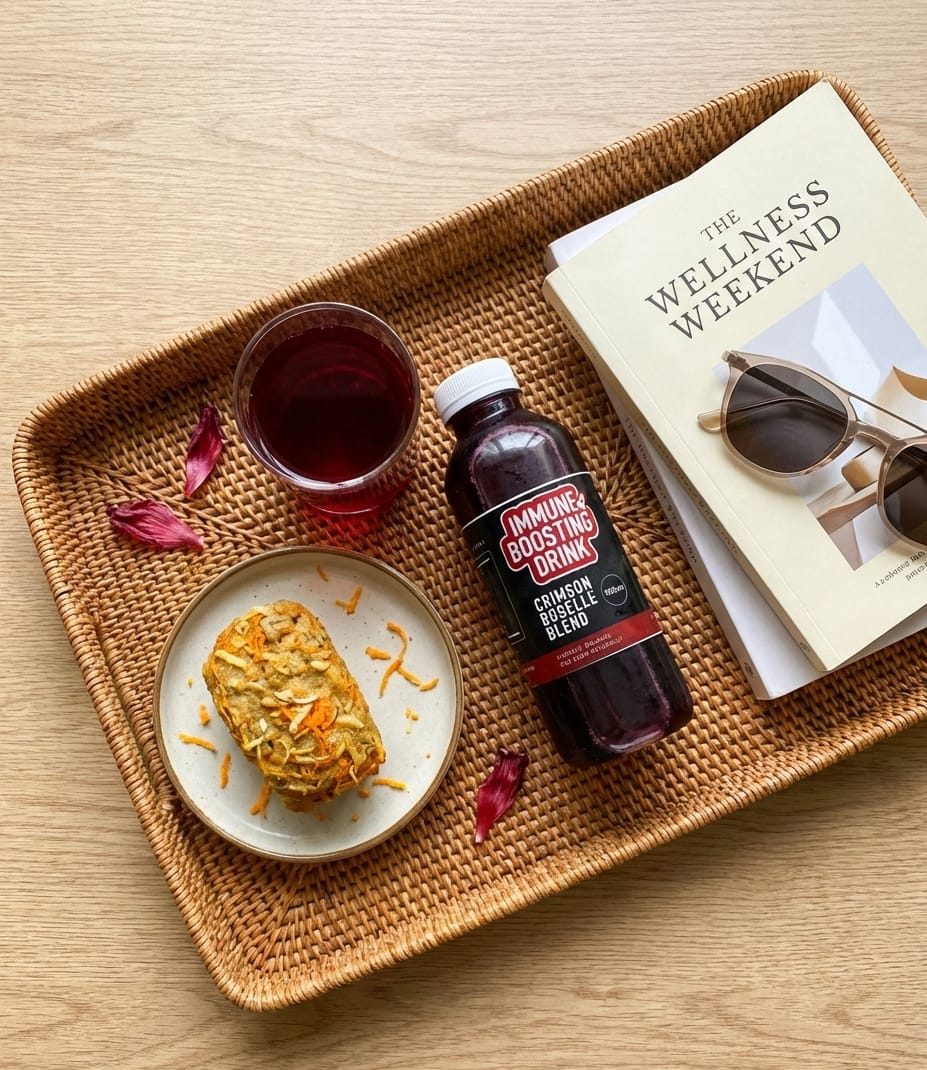
- Instead of sugary fizzy drinks: Try HTNL’s Crimson Roselle (natural fresh zobo). Rich in vitamin C and antioxidants.
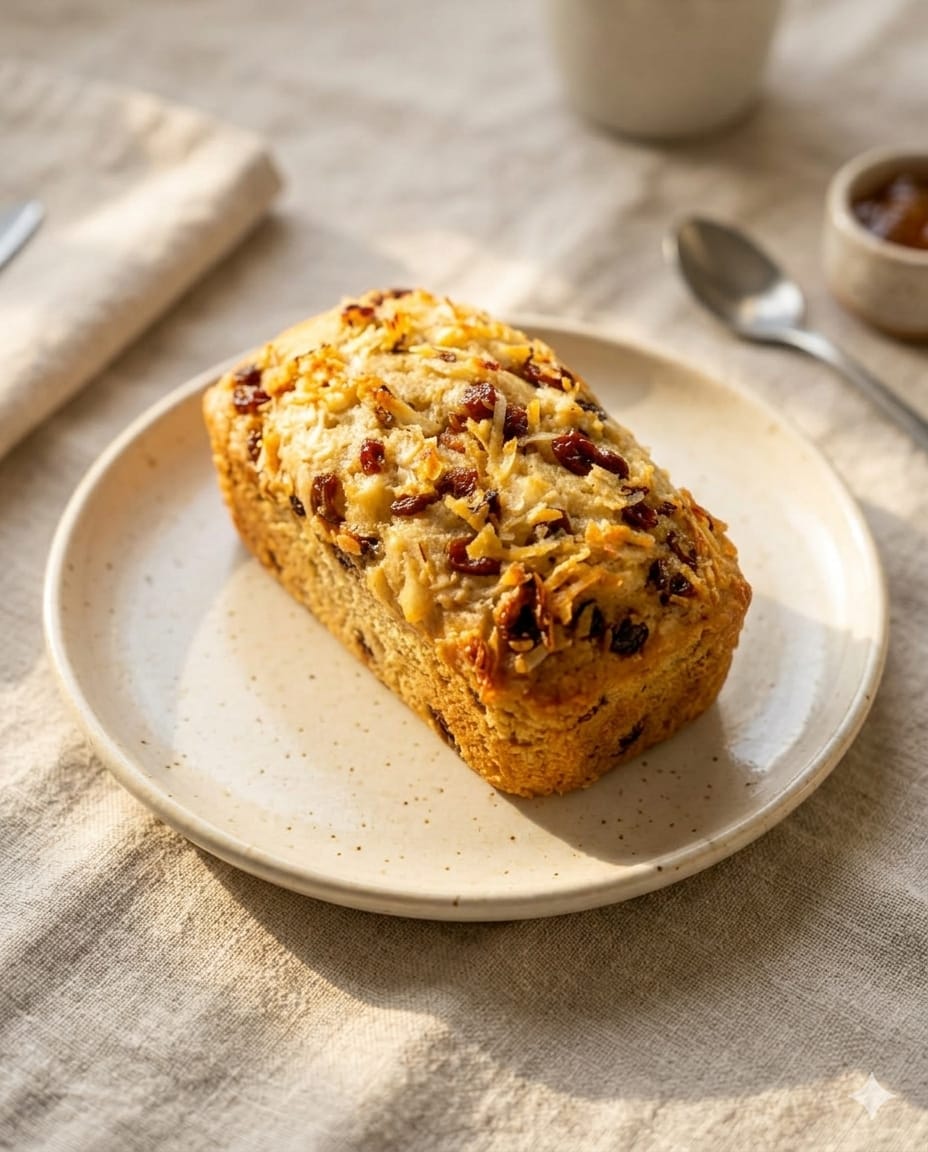
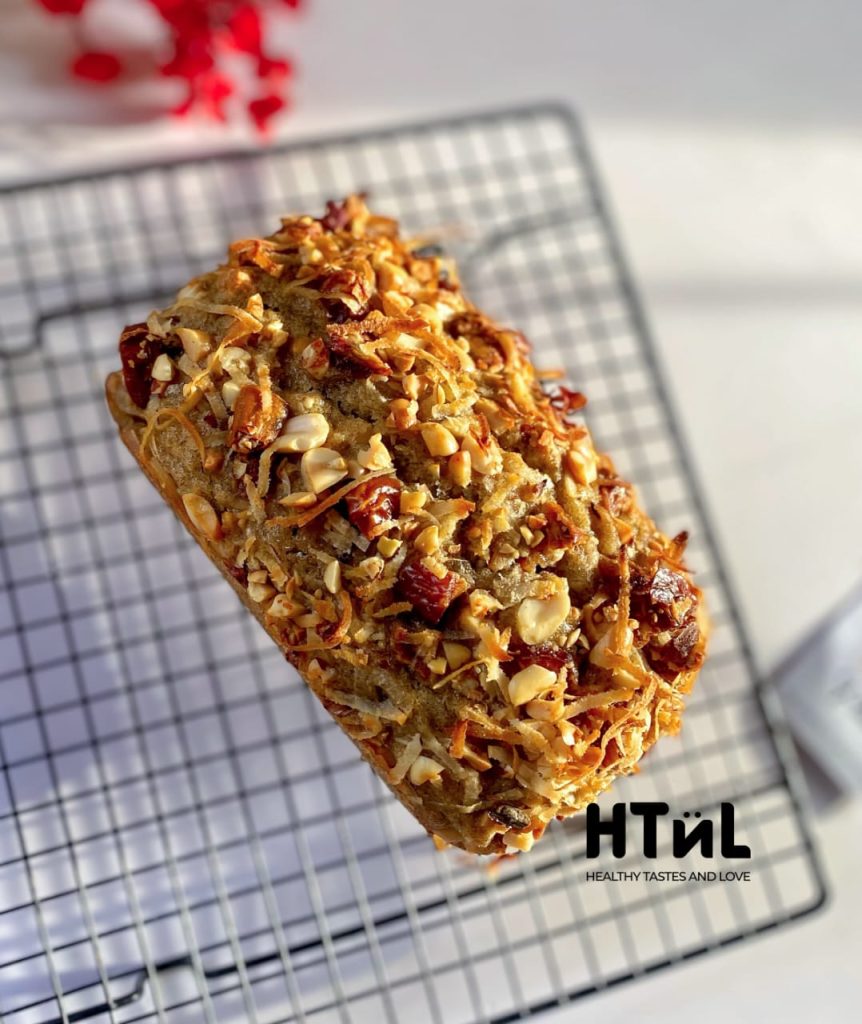
- Instead of chin-chin: Try HTNL’s baked snack options
Involving Kids in Snack Preparation to Build Healthy Habits
Research consistently shows that children who participate in food preparation are significantly more likely to eat and enjoy what they have helped make. You do not need to give your child control of the stove even simple tasks build ownership and enthusiasm:
- Ages 2–4: Washing fruit, peeling bananas, stirring ingredients in a bowl.
- Ages 5–7: Spreading groundnut paste, arranging food on plates, mixing trail mix combinations.
- Ages 8–12: Slicing soft fruits (with appropriate supervision), assembling lunchbox contents, measuring and mixing no-bake snack recipes.
Framing snack preparation as a shared activity rather than a chore builds a positive relationship with healthy food that lasts far beyond childhood.
Where to Buy Healthy Snacks for Children in Nigeria
Finding reliable, genuinely nutritious snack products for Nigerian children has become easier in recent years. Here is where to look both in person and online
Best Supermarkets for Child-Appropriate Snacks
- Shoprite Nigeria: Stocks the widest range of children’s snack products, including imported options and an increasing selection of locally produced healthy snacks. The baby and toddler food section is particularly useful for parents of very young children.
- Spar Nigeria: Good selection of organic and low-sugar options. Particularly strong for imported multigrain crackers, nut butters, and sugar-free dried fruits appropriate for children.
- Justrite Superstore: Increasingly stocks children’s snack products and other locally produced options at competitive prices. Reliable for everyday healthy snack shopping without premium import pricing.
Online Platforms with Child-Safe Snack Options
- HTNL online store: Offers direct purchasing of HTNL’s children’s snack range with nationwide delivery. Subscription options available for parents who want reliable monthly delivery.
- Jumia Grocery: A growing range of children’s healthy snack options available with delivery to major Nigerian cities. Filter by ‘organic,’ ‘no added sugar,’ or ‘children’s snacks’ to find the best options.
- Instagram and WhatsApp-based vendors: A significant informal market for healthy children’s snacks particularly artisan products like small-batch groundnut paste, toddler-friendly puffs, and sugar-free fruit snacks operates through social media, particularly in Lagos and Abuja.
What to Avoid: Additives and Ingredients Harmful to Children
Ingredients to Always Avoid in Nigerian Children’s Snacks:
- Artificial colours (Tartrazine/E102, Sunset Yellow/E110): Linked to hyperactivity in children. Common in colourful Nigerian sweets and flavoured drinks.
- High fructose corn syrup: A highly processed form of sugar associated with childhood obesity and metabolic issues. Check labels of all packaged snacks.
- Monosodium glutamate (MSG): Excessive MSG in children’s snacks can mask the natural flavour of food and make whole foods seem less appealing over time.
- Trans fats / partially hydrogenated oils: Found in many fried Nigerian packaged snacks. Damaging to cardiovascular health even at the quantities children consume.
- Artificial preservatives (BHA, BHT, sodium benzoate): Present in many packaged Nigerian biscuits and snacks. Limit exposure by prioritising whole-food and minimally processed options.
Homemade vs Store-Bought: What Snack is Better for Nigerian Kids?
This is one of the questions Nigerian parents ask most often and the honest answer is: it depends on your time, budget, and access. Neither is categorically superior. The goal is to ensure your child is consistently eating nutritious snacks, and the best approach achieves that goal sustainably within your family’s real-world constraints.
Comparing Nutritional Value: Homemade vs Packaged Snacks
Well-made homemade snacks using whole Nigerian ingredients will almost always be nutritionally superior to packaged alternatives. When you make moi moi at home, you control every ingredient. When you boil a sweet potato, there are zero additives. This is the gold standard.
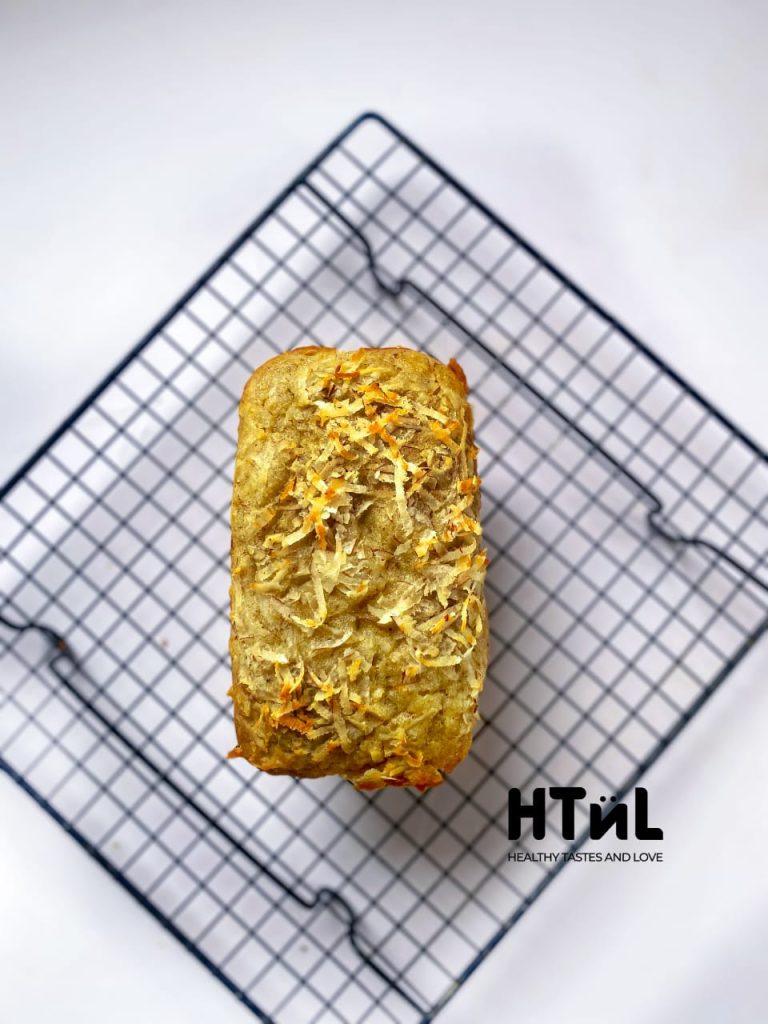
However, not all packaged snacks are equal. A poorly chosen packaged snack, full of refined flour, added sugar, and artificial additives is far worse than a well-chosen branded product. HTNL’s children’s snack range is specifically formulated to bridge this gap: offering the convenience of packaging with nutritional standards that match what a careful parent would make at home.
Cost Analysis: Homemade Snacks vs Popular Store Brands
For most Nigerian families, homemade whole-food snacks are the most cost-effective approach for everyday snacking. A week’s supply of after-school snacks made from groundnuts, eggs, sweet potatoes, and seasonal fruit will cost significantly less than the equivalent in packaged products.
HTNL products are positioned as a practical, reliable option for busy days, work-week lunch boxes, and occasions when preparation is not feasible not as a replacement for homemade food, but as a trustworthy alternative when time is short. Many Nigerian parents find that a blended approach homemade most days, HTNL on the busiest days delivers both nutritional quality and practical sustainability.
HTNL Snack Options are formulated for Children
HTNL has developed a dedicated children’s snack range built around three commitments: no artificial colours, no artificial preservatives, and no added refined sugar. The range includes portioned nut and seed mixes appropriate for school lunch boxes, baked snack options that satisfy the crunch children love, and fruit-based options that meet the natural sweetness children seek without the blood sugar spike of conventional sweet snacks.
Every HTNL children’s product is clearly labelled, making it straightforward for Nigerian parents to make informed choices quickly even in the middle of a supermarket aisle or an online checkout.
Conclusion: Small Snack Choices, Big Lifelong Impact
The snack habits your child builds between the ages of one and twelve will shape their relationship with food for decades. A child who grows up reaching for groundnuts, fresh fruit, and real food between meals carries that pattern into adolescence and adulthood. A child conditioned on biscuits, sweets, and sugary drinks builds a relationship with food that takes years of deliberate effort to undo.
The encouraging truth is that Nigerian parents have everything they need to get this right. The ingredients are here. The traditional knowledge is here. And with brands like HTNL extending the healthy snack ecosystem for families who need reliable, convenient options, the barriers are lower than ever.
You do not need to be a nutritionist or need an expensive supermarket. You only need a groundnut paste jar, a bowl of seasonal fruit, a batch of boiled eggs on Sunday, and the intention to make one better choice each snack time.
Your child will not always choose the healthy option over the sweet one especially in the beginning. But consistency from you builds familiarity, and familiarity builds preference. Start today, stay consistent, and watch their palate evolve.
To learn more about how to choose healthy snacks for your family and how to prepare smart and healthy snacks at low cost, check this out.