Cart 0

Nigeria has a snacking culture like no other. From the aroma of suya at dusk to the crunch of chin chin at a party to the biscuit grabbed between meetings in Lagos, snacking is woven into the rhythm of daily life.
But here is the uncomfortable truth: most of what Nigerians are snacking on today is quietly working against them. Highly processed, sugar-loaded, salt-heavy snack foods now dominate supermarket shelves, office desks, and school lunch bags and many people have no idea which of their favourite snacks are actually doing them harm.
This guide cuts through the confusion. We break down what separates a healthy snack from junk food, give you practical Nigerian-friendly alternatives, and answer the questions most Nigerians are quietly asking.
What Is Junk Food? And Why Is It So Hard to Stop Eating?
Junk food is any food that is high in calories, sugar, salt, or unhealthy fats while providing little to no meaningful nutritional value, no protein, no fibre, no vitamins, no minerals worth speaking of. The calories are there. The nutrition is not.
But junk food is not just nutritionally empty. It is engineered to keep you eating. Food scientists spend significant resources designing snacks that hit what is known as the “bliss point”. It is the precise combination of sugar, salt, and fat that triggers the brain’s reward system and keeps you reaching for more. This is not accidental. It is the business model.
Is My “Healthy Snack” Actually Healthy?
This is one of the most important questions any Nigerian snacker can ask, and the honest answer is: not always. The health food marketing industry is large, sophisticated, and not always truthful. Many products positioned as healthy snacks are anything but.
The Most Common “Healthy” Snack Traps
Flavoured yoghurt: Many popular yoghurt brands in Nigerian supermarkets contain 20–28g of added sugar per cup. Plain yoghurt is genuinely healthy. Flavoured yoghurt is dessert in disguise.
Imported protein bars: Many protein bars in Nigerian stores contain as much sugar as a biscuit. Two boiled eggs or a handful of groundnuts deliver better nutrition at a fraction of the cost.
How to Actually Read a Food Label in Nigeria
Most Nigerian consumers do not read food labels. Here is a quick checklist: check the serving size first (often misleadingly small), confirm added sugars are under 8g, look for at least 4–5g of protein, scan for a short recognisable ingredient list, and watch for sodium above 400mg per serving.
Label Tip: The ingredients list is ordered by weight, the first ingredient is the most abundant. If a snack lists sugar, flour or palm oil before anything else, that tells you everything you need to know.
Snack Foods to Avoid: The Nigerian Junk Food List
These are the snacks most commonly consumed across Nigeria that deliver the least nutritional value and the most harm when eaten regularly. This is not about occasional treats, it is about daily habits.
High-Risk Snacks to Limit or Avoid
Heavily sweetened biscuits and wafers: Refined flour, palm oil, sugar, and artificial flavouring. These are calorie-dense and nutritionally empty. The combination of refined carbs and fat promotes rapid blood sugar spikes followed by energy crashes.
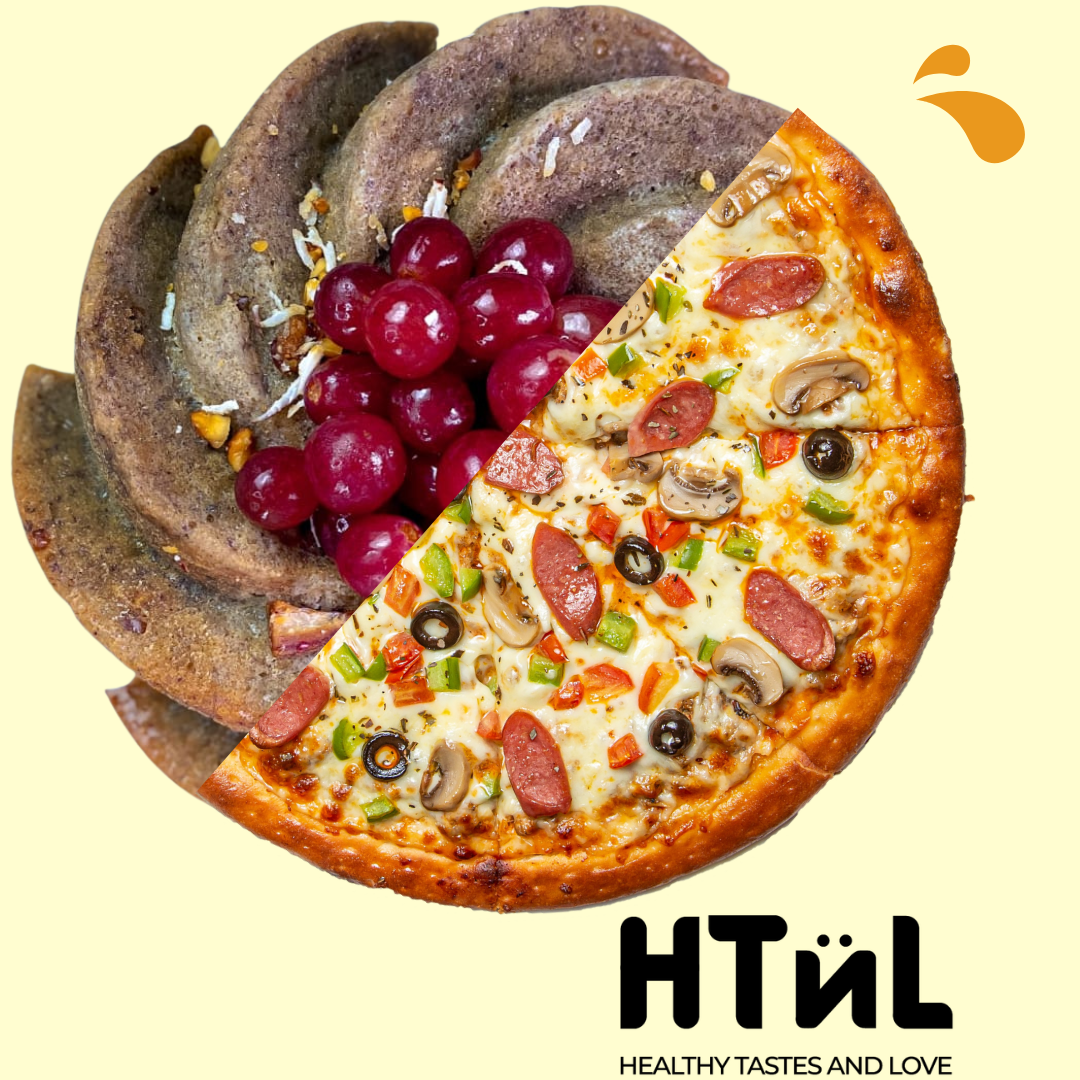
Pizza, burgers, shawarma and fried chicken: These are no longer just Western imports, they are a daily reality on Nigerian streets and in malls. A single fast food burger can contain over 700 calories, 40 grams of fat, and more than 1,000mg of sodium and this is more than half a day’s allowance in one sitting. Pizza loaded with processed meat and refined dough offers almost no protein or fibre relative to its calorie count. Enjoyed occasionally, fine. As a regular snack habit, one of the fastest routes to metabolic damage.
Sugary carbonated drinks paired with snacks: A bottle of soda alongside a snack doubles the sugar load instantly. Many Nigerians habitually pair sweet drinks with already sweet snacks, a combination that significantly elevates metabolic risk over time.
Commercial chin chin and puff puff: Beloved Nigerian classics that are high in refined flour, sugar, and deep-frying oil. Exceptional as occasional celebrations. Problematic as daily desk snacks.
Packaged meat snacks with high preservatives: Many packaged sausage rolls, meat pies, and processed meat snacks found in Nigerian supermarkets are high in sodium nitrates, saturated fat, and artificial preservatives. Fresh alternatives are always preferable.
Worth knowing: You do not need to eliminate these foods forever. The goal is to shift your default in what you reach for most often. Enjoy junk food occasionally and intentionally, not habitually and mindlessly.
Healthy Snack Ideas: The Nigerian Alternatives That Actually Work
The best healthy snacks for Nigerians are not expensive imports or complicated recipes. Many of them have been part of Nigerian food culture for generations. Here are practical, accessible alternatives that deliver real nutrition.
1. Roasted Groundnuts:
A small handful of roasted groundnuts provides approximately 7 grams of protein, heart-healthy monounsaturated fats, magnesium, and vitamin E. They are cheap, portable, require no refrigeration, and are available everywhere, from roadside vendors to supermarket shelves.
Why it beats junk: Groundnuts satisfy hunger for longer than biscuits or chips because of their protein and fat content. They do not spike blood sugar. They feed your body real nutrients.
Smart swap tip: Replace your afternoon biscuit packet with a small cone of roasted groundnuts. Same price, dramatically better nutrition.
2. Soya Milk:
Soya milk is one of the most nutritionally complete plant-based drinks available in Nigeria. Made from soybeans, it is one of the rare plant sources providing all nine essential amino acids, making it a complete protein. A standard cup delivers 7–8 grams of protein alongside calcium, iron, B vitamins, and heart-healthy isoflavones. It is naturally low in saturated fat, lactose-free, and filling enough to serve as a genuine snack in its own right.
Why it beats junk: Most Nigerian snack drinks are sugar-loaded, fizzy drinks, flavoured juice, or sweetened dairy. Soya milk satisfies thirst and hunger simultaneously, delivering real protein and nutrients without the sugar spike. It is especially valuable for those who avoid meat or dairy.
Smart swap tip: Swap your mid-morning fizzy drink or flavoured juice for a cup of unsweetened soya milk. Same convenience, dramatically better nutrition.
3. Tiger Nuts & Tiger Nut Drink (Ofio / Aya / Kunu Aya):
Tiger nuts are not actually nuts, they are small root vegetables consumed in Nigeria for centuries. Rich in resistant starch, prebiotic fibre, vitamins C and E, magnesium, and potassium, they have a natural sweetness that satisfies sugar cravings without spiking blood sugar. You can eat them whole as a snack or enjoy them as tiger nut drink (kunu aya), a naturally creamy, dairy-free drink that carries the same nutritional benefits in a refreshing, drinkable form. Both options are widely available across Nigerian markets.
Why it beats junk: Tiger nuts feed the beneficial bacteria in your gut, supporting digestion, immunity, and even mood. Their natural sweetness means they satisfy the craving for something sweet without the crash.
Smart swap tip: Keep a small bag of tiger nuts on your desk, or grab a bottle of kunu aya when you want something naturally sweet and satisfying to drink alongside a light snack.
4. Banana x Carrot muffin:
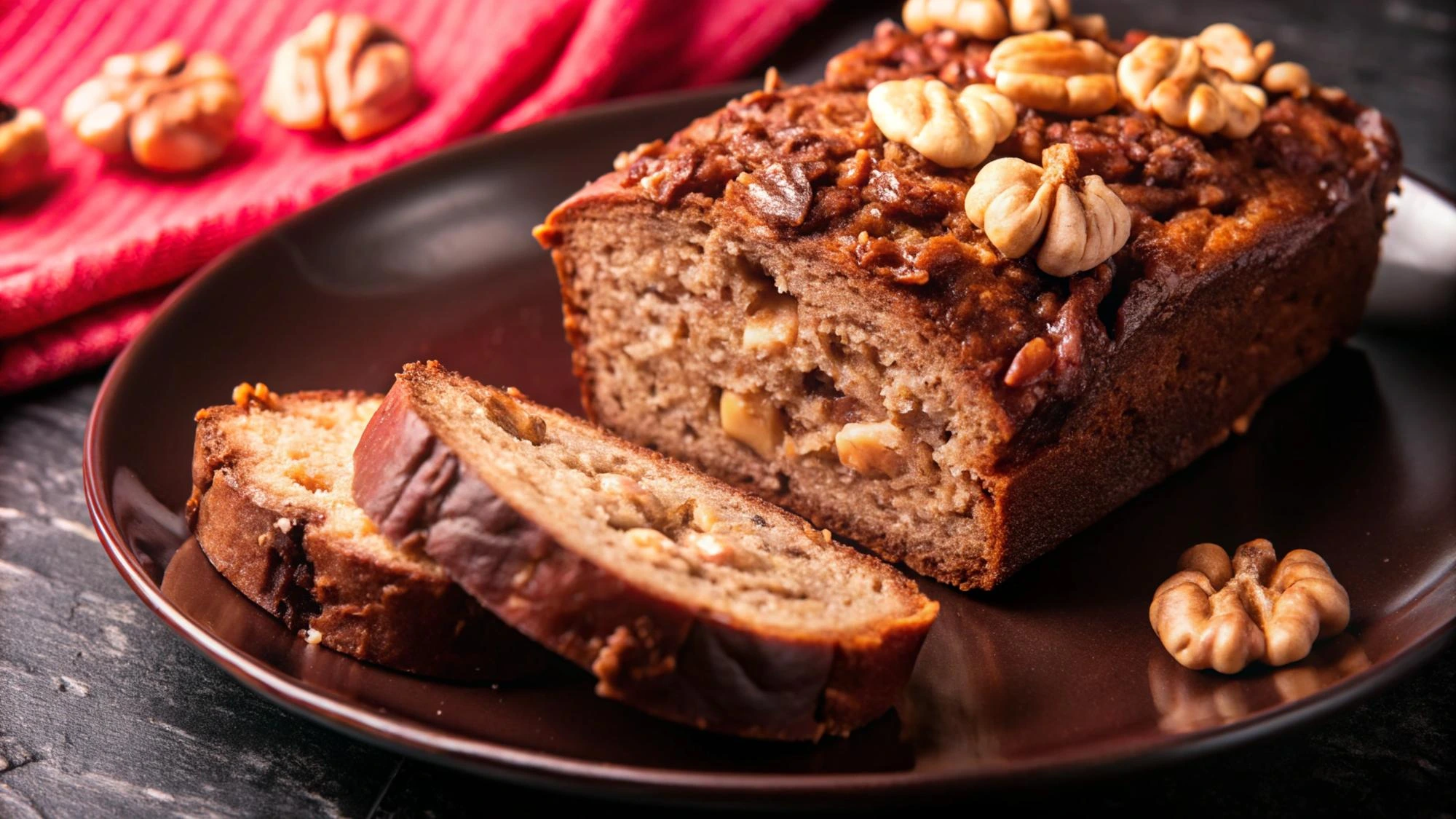
The Wholesome Baked SnackThe Banana x Carrot muffin is exactly what a real snack should look like. Banana brings natural sweetness, potassium, and tryptophan. Carrot adds beta-carotene, fibre, and vitamins A and K. Together, baked with natural ingredients and without refined flour shortcuts or artificial additives, they make a snack that is genuinely nourishing and genuinely satisfying, the kind of thing you can eat without second-guessing it.
Why it beats junk: Most baked snacks in Nigerian supermarkets are refined flour, palm oil, and artificial preservatives dressed up in packaging. A Banana x Carrot muffin made with natural ingredients is the opposite with real fruit, real vegetables, real nutrition in every bite.
Smart swap tip: Bake a batch on the weekend and keep them on hand for your 4pm craving. Natural sweetness from banana, subtle earthiness from carrot, real satisfaction without the sugar crash.
5. Fresh Fruit with Greek-Style Yoghurt:
Plain, unsweetened Greek-style yoghurt provides 10–15 grams of protein per cup alongside probiotics for gut health and calcium for bone strength. Paired with fresh fruit like pineapple, banana, mango, or pawpaw and you get natural sweetness, fibre, and vitamins without a single gram of added sugar.
Why it beats junk: This combination outperforms almost any packaged snack on satiety, nutritional completeness, and blood sugar stability. The protein in yoghurt slows the absorption of fruit sugar, meaning no spike and crash.
Smart swap tip: Skip flavoured yoghurt entirely. Buy plain Greek-style yoghurt, add your own fresh fruit and a small handful of groundnuts for extra protein and crunch.
6. Hibiscus Drink (Zobo):
Zobo is one of the most beloved drinks in Nigeria and one of the most nutritious. Made from dried hibiscus petals, it is loaded with antioxidants, vitamin C, and flavonoids that have been shown in studies to lower blood pressure, reduce inflammation, and support heart health. When made naturally without refined sugar, zobo is a genuinely functional drink: it hydrates, nourishes, and satisfies the desire for something flavourful without the metabolic cost of fizzy drinks or juice.
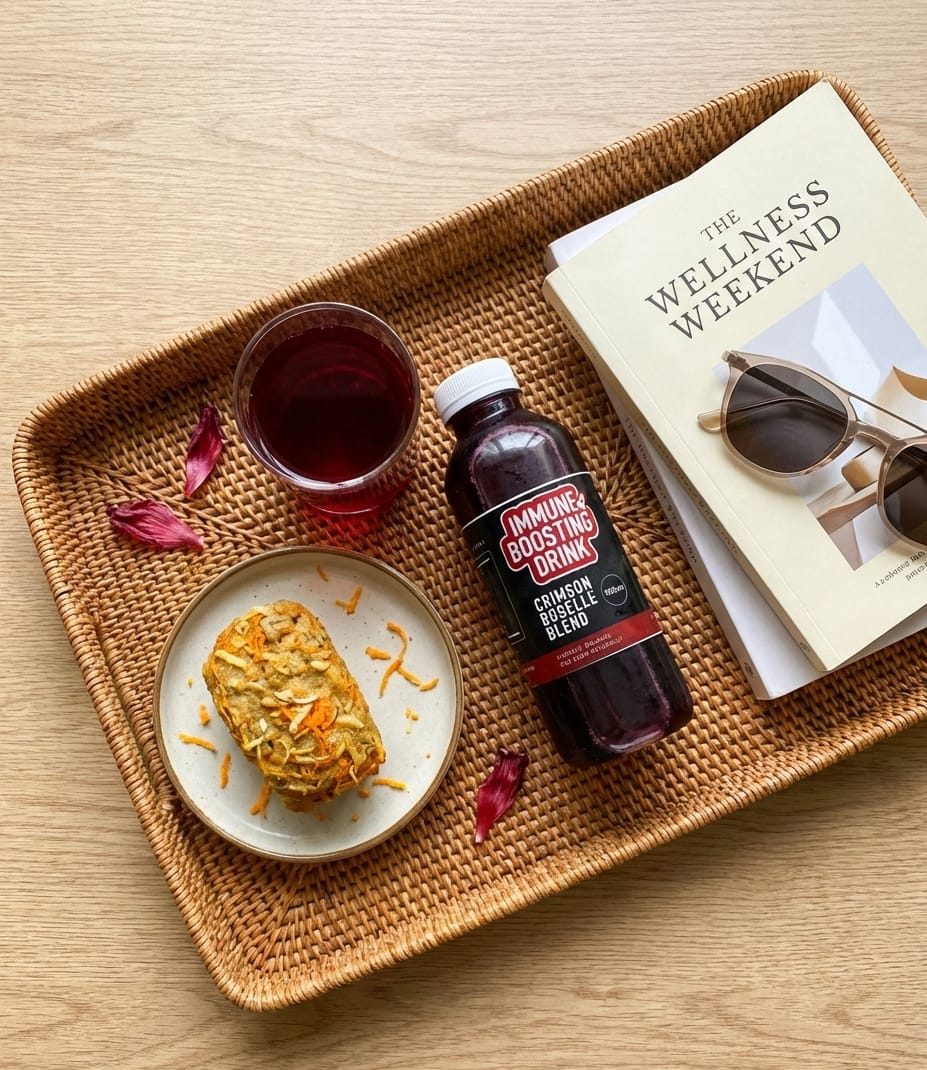
HTNL offers their own version, the CRB (Crimson Roselle Blend)drink and it is made with hibiscus, pineapple, ginger, clove, and jaggery etc. No artificial sweeteners, no preservatives. It pairs beautifully with roasted groundnuts or an HTNL Banana x Carrot muffin for a completely natural snack moment.
Why it beats junk: Fizzy drinks and commercial juice are the single biggest source of hidden sugar in the Nigerian diet. Zobo made with natural ingredients satisfies the same craving for something cold, sweet, and refreshing, while actively supporting your health rather than quietly undermining it.
Smart swap tip: Next time you reach for a cold drink, try naturally made zobo instead. Pair it with a handful of groundnuts or an HTNL Banana x Carrot muffin for a complete, satisfying, and entirely natural snack moment.
How Should I Choose a Healthy Snack? A Practical Framework
Beyond individual food choices, having a decision framework helps you make consistently better snack choices even when you’re tired, busy, or tempted. Here is a simple three-question test you can apply to any snack before eating it.
The Three-Question Snack Test
Question 1: Does it contain real nutrients? Will this snack give my body protein, fibre, healthy fat, or meaningful vitamins and minerals? If the answer is no, that is if it is purely flour, sugar, and oil then it is not a snack, it is a treat.
Question 2: Will it keep me satisfied? A healthy snack should keep hunger at bay for at least 90 minutes. If you are hungry again 20 minutes later, your snack was not a snack, it was a sugar spike.
Question 3: Can I read the ingredients? If the ingredient list is longer than five items and contains words you cannot pronounce, question what you are actually putting into your body.
Once a snack passes at least two of these three questions, it is a reasonable choice. And once it fails all three, it is junk food, regardless of what the packaging says.
Building a Smarter Snack Routine
Pro Tip: Batch-prep your snacks for the week every Sunday evening. Ten minutes of preparation prevents five days of poor decisions under hunger pressure.
Long commutes, back-to-back meetings, and irregular meal times make Lagos professionals especially vulnerable to junk food defaults. The vending machine, the roadside biscuit seller, and the office buka are all designed for convenience and not nutrition.
Nigerian parents often give children packaged snacks out of convenience and because bright packaging feels like a treat. Consider this reframe: a banana muffin baked with natural ingredients is a treat. It just happens to be a nutritious one. HTNL’s fun-size portions are particularly well-suited to children’s lunchboxes with real ingredients, right size, no compromise.
What you eat around training directly affects your results. Post-workout, your muscles need protein within 30–60 minutes to begin recovery. Miss that window with the wrong snack and your session does less than it should.
Best post-workout snacks in Nigeria: Two boiled eggs (fast, complete protein), Greek yoghurt with groundnuts (protein plus healthy fat), suya from lean beef cuts (15–20g protein per skewer), roasted soya beans (complete plant protein for vegetarians). Avoid the temptation to reward a good workout with junk food, as it erases more of the benefit than most people realise.
If you are already thinking about what you eat, the next level is precision and that’s moving beyond “avoiding obvious junk” to actively choosing snacks that support specific health goals: blood sugar stability, gut health, heart health, or sustained energy.
Prioritise: Tiger nuts for prebiotic gut support, tiger nut for plant protein and folate, soya milk for heart-healthy fats, Greek yoghurt for probiotics and calcium. And when you want a baked snack that aligns with those values, HTNL’s natural ingredient philosophy, no preservatives, freshly baked. That makes them one of the few packaged-style options in Nigeria that genuinely belongs in this category.
Frequently Asked Questions
Is it bad to eat junk food occasionally?
No. Occasional junk food as part of an otherwise balanced diet is not harmful. The problem is not the birthday cake at the party, it is the daily packet of biscuits at 11am, the chips at 3pm, and the sugary drink at dinner. Frequency and habit are what determine harm, not a single indulgence.
Are Nigerian traditional snacks healthier than imported ones?
In most cases, yes. Roasted groundnuts, moi moi, akara, tiger nuts, and lean suya are whole-food snacks with strong nutritional profiles. Many imported snacks, despite premium packaging, are ultra-processed with high sugar and sodium. Nigeria already has some of the best natural snack options in the world, the challenge is choosing them over the alternatives.
How do I handle junk food cravings?
Identify the type of craving and find a nutritious equivalent. Craving something sweet? Tiger nuts or a banana. Crunchy and salty? Roasted groundnuts. Baked and satisfying? An HTNL muffin made from natural ingredients. Replacing the craving category with a better option is far more sustainable than suppression.
What are the best snacks for weight management?
Snacks that are high in protein and fibre are the most effective for weight management because they suppress hunger hormones and prevent overeating at main meals. Boiled eggs, roasted groundnuts, moi moi, Greek yoghurt, and tiger nuts all score strongly on both. The worst snacks for weight management are high in refined carbohydrates and low in protein like biscuits, chips, instant noodles, and sugary drinks , because they spike blood sugar rapidly and leave you hungry again within the hour.
How many snacks should I eat per day?
Most adults do well with one to two planned snacks per day and that’s mid-morning and mid-afternoon. A deliberate 150–250 calorie snack between meals supports stable blood sugar and prevents overeating. Unplanned, emotional snacking is where most excess calories accumulate.
Final Thoughts: Choose Better, Snack Smarter
The gap between healthy snacking and junk food in Nigeria is not about expensive health foods or imported supplements. It is about knowledge, habit, and intention. The ingredients for better snacking have always been available, roasted groundnuts at every junction, moi moi at the market, boiled eggs at the roadside, tiger nuts your grandmother used to eat.
What has changed is the noise. The bright packaging, the clever marketing, and the false health claims that make processed junk look like a reasonable choice. Cutting through that noise and knowing what to look for on a label, understanding what your body actually needs, and building the habits that make healthy choices the default is what separates the people who feel good from those who are always tired, always hungry, and always craving more.
And when you want a snack already made to that standard, natural ingredients, no preservatives, baked fresh, HTNL (Healthy Taste and Love) is doing exactly that in Lagos. Bite-size for your desk drawer, classic-size for the family.