Cart 0


Nigeria’s snack culture is evolving and it is evolving fast.
Walk through any Nigerian market today and you will find chin-chin, plantain chips, roasted groundnuts, and packaged biscuits sitting side by side with protein bars, dried fruit mixes, and sugar-free snack packs. The shift about healthy snacks in Nigeria is real.
Health-conscious Nigerians from busy professionals in Lagos to parents packing lunch boxes in Abuja are rethinking what they reach for between meals.But here is the challenge: with so many options claiming to be ‘healthy,’ how do you know what actually nourishes your body? Which brands can you trust? Where do you shop? And how do you snack well without spending a fortune? This guide answers all of those questions.
Whether you are a working professional trying to stay energised through back-to-back meetings, a parent determined to give your children better food choices, or a fitness enthusiast building a cleaner diet, this is the most comprehensive resource on healthy snacking in Nigeria you will find in 2026.
And throughout this guide, you will also discover how HTNL, one of Nigeria’s most trusted healthy snack brands, is helping Nigerians make smarter, tastier snack choices every single day.
Quick fact: A 2023 survey of Nigerian urban consumers found that over 60% said they wanted to eat healthier snacks but did not know which products to trust or where to reliably find them. This guide is built to solve exactly that problem.
Global food security index 2023
What Counts as a Healthy Snack in the Nigerian Context
Before we talk about brands, shops, or recipes, we need to establish a shared definition. The word ‘healthy’ is one of the most overused and misused words in the Nigerian food market. Companies slap it on packaging with almost no accountability. So let us build a clear, specific framework for what a healthy snack actually is.
Defining Nutritional Benchmarks for Nigerian Snacks
A genuinely healthy snack achieves a meaningful nutritional purpose without loading your body with substances it needs to work hard to process. In the Nigerian dietary context, a useful benchmark looks like this:
Healthy Snack Nutritional Benchmarks (Per Serving)
- Calories: Between 100 and 250 kcal per serving (enough to satisfy without over-eating)
- Sugar: Less than 6 grams of added sugar (not total sugars, natural fruit sugars are different)
- Fibre: At least 2–3 grams (keeps you full and supports digestive health)
- Protein: At least 4–5 grams (helps manage hunger and supports muscle tissue)
- Fat: Predominantly unsaturated fats; minimal or zero trans fats
- Sodium: Under 300mg per serving (important given Nigerian diets are often already high in sodium)
- Ingredients list: Short, recognisable, whole-food based, the shorter the better
The snacks that consistently meet most of these benchmarks are largely whole-food based nuts, legumes, fruits, vegetables, and minimally processed grains. The encouraging news is that many of these foods are either native to Nigeria or widely available across the country.
Traditional vs Modern Healthy Snacking Habits
Traditional Nigerian snacking was, in many ways, already nutritionally sound. Before the wave of ultra-processed packaged goods arrived in Nigerian markets, people snacked on roasted corn, groundnuts, garden eggs, tiger nuts, boiled yam, and seasonal fruits. These foods were nutrient-dense, minimally processed, and naturally low in added sugar.
Modern snacking has introduced both exciting opportunities and significant risks.
On the positive side, Nigerians now have access to international health food products, protein bars, and fortified snack options. On the negative side, the same modernisation has flooded markets with ultra-processed options disguised as health foods products containing artificial colours, excessive sugar, refined flour, and trans fats.
The smartest approach for health-conscious Nigerians today is a blended one: honour the nutritional wisdom of traditional Nigerian snack ingredients while selectively adopting the best of modern formulations like those offered by brands such as HTNL, which combine Nigerian ingredient knowledge with rigorous nutritional standards.
How Local Ingredients Make Nigerian Snacks Uniquely Nutritious
Nigeria is extraordinarily blessed in terms of food diversity. The country’s agricultural regions produce a remarkable range of ingredients that form the basis of some of the world’s most naturally nutritious snack foods. Here are some standout examples:
- Tiger nuts (ofio/aya): Rich in prebiotic fibre, magnesium, and healthy fats — they feed beneficial gut bacteria and support heart health.
- Groundnuts (peanuts): High in protein, heart-healthy monounsaturated fats, vitamin E, and niacin. Nigeria is one of Africa’s largest groundnut producers.
- Soybeans: A complete plant protein source containing all essential amino acids, rare among plant foods. Used in roasted form, they are an exceptional snack.
- Garden eggs (African eggplant): Very low in calories, high in fibre and antioxidants. Often eaten raw as a snack, especially in Southern Nigeria.
- Moringa: Found across Nigeria, moringa leaves and powder are extraordinarily rich in vitamins A, C, E, calcium, and iron making them a snack-enhancement superfood.
- Unripe plantain: Low on the glycaemic index, high in resistant starch and potassium one of Nigeria’s most underrated healthy snack bases.
HTNL draws on many of these indigenous Nigerian ingredients in developing its product range, ensuring that snacks deliver real nutrition rooted in what Nigeria’s land naturally provides.
Best Healthy Snack Brands Available in Nigerian Supermarkets
Knowing what to look for is one thing. Knowing which brands are actually delivering it is another. Nigeria’s healthy snack market has grown significantly, and there are now genuinely good options local and imported on supermarket shelves. Here is a curated breakdown.
Top Local Brands Leading the Healthy Snack Space
Nigeria’s homegrown healthy snack industry is maturing rapidly. A growing number of local producers are creating products that rival international standards in both nutrition and taste. When shopping locally, these are the names worth knowing:
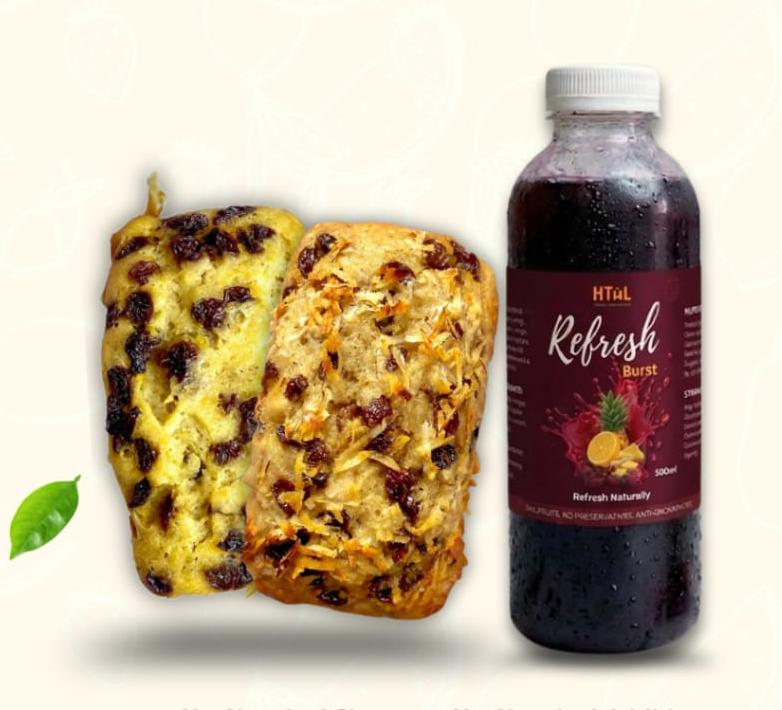
HTNL is among the most recognised names in Nigeria’s emerging healthy snack segment. The brand has built a reputation for creating snacks that are grounded in Nigerian flavours and ingredients while meeting strict nutritional benchmarks low in added sugar, free from artificial colours, and rich in functional nutrients. For health-conscious Nigerians, parents, and professionals seeking reliability, HTNL provides a consistent, trustworthy choice across multiple snack categories.
Beyond HTNL, the local market also features a growing number of artisan and small-batch producers particularly in Lagos and Abuja creating roasted nut mixes, tiger nut products, and fermented legume snacks worth exploring. Farmers markets and health-focused social media communities are increasingly good sources for discovering these emerging local brands.
Imported Healthy Snack Brands Found in Shoprite and Similar Stores
Major Nigerian supermarket chains Shoprite, Spar, Justrite, and Hubmart now stock a selection of imported healthy snack brands. While these can be more expensive than local alternatives, they offer variety and, in some cases, product types not yet produced locally. Some categories worth exploring on import shelves include:
- Protein and cereal bars: Brands offering low-sugar, high-protein bars are increasingly available. Always check the label some bars marketed as healthy contain more sugar than a standard biscuit.
- Rice cakes and multigrain crackers: A good low-calorie, low-sodium alternative to regular crackers. Widely available in major stores.
- Nut and seed butter sachets: Single-serve almond, cashew, or peanut butter packets are showing up in Nigerian health food sections and make excellent on-the-go protein snacks.
- Dried fruit without added sugar: Check that the product contains no sulphites or added sugar pure dried mango, dates, and apricots are nutritionally strong snack options.
Smart label tip: When choosing between a local and an imported brand, compare the ingredient lists and nutrition panels rather than the branding. A well-made local HTNL product will often outperform an imported snack that uses Nigerian ingredients as a marketing angle but fills the product with preservatives and sugar
How to Read Product Labels in Nigerian Stores
Label literacy is one of the most powerful health skills a Nigerian consumer can develop. Most Nigerians scan labels for calories at best but the most important information is often hidden further down the packaging.Here is a practical five-step label-reading method to use when shopping for snacks in any Nigerian supermarket:
- Step 1 — Check the serving size first: Many products appear healthy until you realise the nutritional values listed are for a serving that is half the actual packet.
- Step 2 — Look at the ingredients list: Ingredients are listed in descending order of quantity. If sugar (in any form — glucose syrup, fructose, dextrose) appears in the first three ingredients, put the product back.
- Step 3 — Count the added sugars: Aim for under 6g of added sugar per serving. ‘No added sugar’ claims must still be verified against the total sugar content.
- Step 4 — Check the fat quality: Look for products with zero trans fats and low saturated fat. The presence of partially hydrogenated oils is a serious red flag.
- Step 5 — Evaluate the protein and fibre: Any snack worth eating should contribute at least some protein and fibre. Under 1g of either means it is providing mostly empty calories.
Quick Healthy Snack Ideas for Busy Nigerians
One of the most common reasons health-conscious Nigerians fall back on junk snacks is time. When hunger strikes at 3pm in the middle of a packed workday, it is far easier to grab a pack of biscuits from the nearest kiosk than to find a nutritious alternative. The solution is preparation and preparation does not have to be complicated.
5-Minute Snack Prep Ideas Using Local Ingredients
The following snack ideas can each be prepared in five minutes or less using ingredients readily available across Nigeria. They require no oven and almost no cooking skill:
5-Minute Nigerian Healthy Snack Ideas
Groundnut and banana: A classic. A small handful of roasted groundnuts paired with one ripe banana delivers protein, healthy fat, and natural sugar for sustained energy.
Garden egg with groundnut paste: Slice raw garden eggs and dip in homemade or store-bought groundnut paste (peanut butter). High in protein, fibre, and antioxidants. Cucumber and carrot sticks with bean dip: Pre-chop a batch of vegetables on Sunday and portion into containers. Blend cooked beans with pepper and onion for a quick dip.
Tiger nut and date mix: A small mix of tiger nuts and pitted dates provides prebiotic fibre, natural sweetness, and iron no cooking required.
Boiled eggs: Two boiled eggs provide approximately 12g of complete protein. Boil a batch at the start of the week and refrigerate for up to five days.
HTNL snack packs: For days when even five minutes feels impossible, HTNL’s pre-portioned snack products are formulated to provide the same nutritional benefit as homemade options without any preparation at all.
Snacks You Can Make in Bulk Every Sunday
Batch preparation on Sunday is the single most effective strategy for maintaining healthy snacking habits throughout a busy Nigerian work week. Preparing snacks in bulk takes 60–90 minutes once a week and eliminates the daily decision fatigue that leads to poor choices.Here are four excellent batch-prep snacks suited to the Nigerian kitchen:
- Spiced roasted groundnuts: Toss raw groundnuts with a mix of crayfish powder, black pepper, ginger, and a small amount of sea salt. Dry-roast in a pan on low heat for 15–20 minutes, stirring constantly. Store in an airtight container for up to two weeks.
- No-bake energy balls: Blend together oats, groundnut paste, dates, and shredded coconut. Roll into balls and refrigerate. Each ball is approximately 100–120 calories and packed with fibre and protein.
- Moi moi mini portions: Steam small individual portions of moi moi in reusable cups or foil. Store in the fridge for up to four days. High in plant protein and B vitamins.
- Mixed nut and dried fruit trail mix: Combine cashews, groundnuts, tiger nuts, pumpkin seeds, and unsweetened dried fruits. Portion into small ziplock bags for the week ahead. Aim for 30–40g portions.
Office-Friendly Snacks That Travel Well
A healthy snack for a Nigerian professional must meet a specific set of practical requirements: it must survive Lagos or Abuja heat, require no refrigeration, produce no strong odours in shared office spaces, be contained cleanly, and be eaten quickly without fuss.The following options tick all of these boxes:
- Roasted nut mixes in sealed containers, HTNL offers portioned nut mixes designed specifically for on-the-go consumption.
- Whole fruit: oranges, apples, and bananas require zero preparation and are perfectly portable.Whole grain crackers with individual nut butter sachets increasing available in Lagos supermarkets.
- Tiger nuts one of Nigeria’s most underrated snacks, tiger nuts can be eaten straight from a small bag with no mess and no odour.
- Dark chocolate squares (70%+ cocoa): 2–3 squares satisfy a sweet craving with minimal sugar and genuine antioxidant benefit.
Where to Buy Healthy Snacks in Nigeria (Online and Offline)
One of the most frequent questions Nigerian health-conscious consumers ask is simply: where? Knowing what to eat is only useful if you can actually find it. Here is a comprehensive breakdown of where to buy healthy snacks across Nigeria in 2026.
Top Nigerian E-Commerce Platforms Stocking Healthy Snacks
Online grocery shopping has grown significantly in Nigeria since 2020, and several platforms now stock a meaningful range of healthy snack options with delivery to major cities:
- Jumia Grocery and JumiaMart: Nigeria’s largest e-commerce platform lists a growing range of health food and snack products. Use the search filters to find ‘sugar-free,’ ‘high protein,’ or ‘organic’ snack categories.
- Konga: Stocks a combination of local and imported healthy snack brands with delivery across major Nigerian cities.
- Healthy Food Market platforms: Several Lagos-based online health food stores including some that operate primarily via Instagram and WhatsApp offer curated ranges of healthy Nigerian snacks with same-day delivery within Lagos Island and Mainland.
- HTNL’s direct online store: HTNL offers direct-to-consumer purchasing through its website, with delivery across Nigeria. This is often the most cost-effective way to access HTNL’s full product range, including bundle deals and subscription options not available in physical retail.Supermarket Chains With the Best Healthy Snack Sections
Not all Nigerian supermarkets are equal when it comes to healthy snack selection. Based on range, product quality, and label accuracy, these chains consistently deliver the best experience for health-conscious shoppers:
- Shoprite Nigeria: The widest range of imported health foods and snacks of any Nigerian chain. The health food aisle in major Shoprite locations (especially Victoria Island, Ikeja, and Abuja) stocks a solid combination of local and international healthy snack brands.
- Spar Nigeria: Strong international range with particularly good selections of sugar-free and organic snack options. Spar’s refrigerated section often stocks fresh healthy snack items including yoghurt, hummus, and fresh cut vegetables.
- Justrite Superstore: A strong Nigerian-focused chain that increasingly stocks locally produced healthy snack products. Excellent for finding HTNL products and other local brands.
- Hubmart: Popular in Lagos and Abuja, Hubmart offers a mid-range selection of healthy snack products with competitive pricing relative to Shoprite.
Farmers Markets and Health Food Stores in Major Cities
For those who prefer fresh, minimally processed ingredients and artisan products, Nigeria’s farmers market and health food store scene is growing steadily:
- Lagos Farmers Market (Blenco Mall, Lekki and other rotating venues): Seasonal produce, organic eggs, fresh groundnut paste, tiger nuts, and artisan snack products from small-batch Nigerian producers.
- Terra Kulture, Victoria Island Lagos: Stocks a curated range of Nigerian health food products including artisan snacks and natural ingredients.
- Health food cafes and concept stores, Abuja: Several concept stores in Wuse 2 and Maitama stock healthy Nigerian snacks alongside wellness products increasingly popular with Abuja’s health-conscious professional community.
- Instagram and WhatsApp-based health food vendors: A significant and growing informal market for healthy Nigerian snack products operates through social media, particularly in Lagos, Abuja, and Port Harcourt. Search relevant hashtags or ask within Nigerian health and wellness communities online.
Budget-Friendly Healthy Snacking Tips for Nigerians
A persistent myth in Nigerian health culture is that eating well is an expensive luxury reserved for those who can afford imported products from high-end supermarkets. This is simply not true. Healthy snacking, done with knowledge and intention, can be more cost-effective than a daily diet of biscuits, fried snacks, and sugary drinks.
How to Snack Healthy on a Tight Budget in Nigeria
The foundation of budget-conscious healthy snacking in Nigeria is prioritising whole, locally sourced ingredients over branded packaged products. Here is a practical framework:
- Buy in bulk from local markets: Groundnuts, soybeans, tiger nuts, oats, and dried fruits are all significantly cheaper when purchased in larger quantities from open markets (Balogun in Lagos, Wuse Market in Abuja) than from supermarkets.
- Cook and portion your own snacks: A kilogram of groundnuts purchased at market price and roasted at home costs a fraction of what an equivalent weight of packaged roasted nut product costs in a supermarket.
- Prioritise nutrient density per naira: When evaluating snack options, think in terms of how much nutrition you are getting per hundred naira spent. Eggs, groundnuts, beans, and seasonal fruit consistently offer the highest value.
- Reduce reliance on packaged snacks entirely: Reserve packaged products like HTNL snacks for busy days when you genuinely have no time to prepare. On most days, whole food options prepared at home are both cheaper and equally nutritious.
Seasonal Nigerian Produce That Makes Affordable Healthy Snacks
One of the most powerful cost-saving strategies for healthy snacking is eating in season. Seasonal produce in Nigeria is dramatically cheaper and, because it is fresher, often more nutritious than out-of-season alternatives. Understanding Nigeria’s agricultural calendar helps you plan your snack budget month by month:
- Mango season (March–June): Fresh mangoes are among the most nutritious and affordable snacks during this period high in vitamins A and C, fibre, and antioxidants.
- Watermelon (December–April in most regions): Hydrating, low-calorie, and rich in lycopene. Watermelon slices are an ideal between-meal snack during peak season.
- Pawpaw (available most of the year but most affordable May–September): Rich in digestive enzymes (papain), vitamin C, and beta-carotene. A consistent and affordable healthy snack staple.
- Corn (August–October): Freshly roasted corn is one of Nigeria’s great traditional healthy snacks high in fibre, magnesium, and B vitamins. During peak season it is extremely affordable.
DIY Alternatives to Expensive Imported Snack Bars
Imported snack bars can cost anywhere from ₦1,500 to ₦4,000 per bar in Nigerian supermarkets. You can produce a nutritionally equivalent or superior product at home for a fraction of the cost. Here is a simple no-bake Nigerian snack bar formula:
Simple No-Bake Nigerian Snack Bar Recipe: Blend 200g of pitted dates (Sokoto dates are affordable and widely available), 100g of roasted groundnuts, 80g of oats, and 2 tablespoons of coconut oil. Press firmly into a lined tray and refrigerate for 2 hours. Cut into bars. Each bar costs approximately ₦500 – 1000 in ingredients and provides protein, fibre, and slow-release carbohydrates. HTNL’s ready-made bars offer a convenient equivalent when home preparation is not practical.
Healthy Snacks for Every Nigerian Lifestyle
Healthy snacking is not one-size-fits-all. The best snack for a university student cramming for exams in Ibadan is different from what a Lagos Island investment banker needs to stay sharp during a 10-hour workday which is different again from what a competitive athlete in training needs to fuel and recover. Let us break it down by lifestyle.
Snack Recommendations for Office Workers
Nigerian office workers face a unique combination of snacking challenges: long hours, irregular meal times, high cognitive demands, limited access to healthy food near office districts, and the social pressure of office environments where junk snacks are shared freely.
The priorities for office snacking are sustained energy, cognitive support, minimal food odour in shared spaces, and convenience. Optimal choices include:
- HTNL office snack packs: Pre-portioned combinations designed for desk eating, no smell, no mess, balanced nutrition.
- Mixed nuts and seeds in a sealed container: A 30–40g portion provides healthy fats and protein to sustain focus through afternoon energy dips.
- Whole fruit: An apple, banana, or orange is the simplest, cheapest, and most foolproof office snack available anywhere in Nigeria.
- Dark chocolate (70%+): 2–3 squares provide a mood-boosting dose of flavonoids and a small amount of caffeine an excellent alternative to a second cup of coffee.
- Tiger nuts: Portable, mess-free, and rich in prebiotic fibre that supports the gut-brain connection, increasingly important for professionals under chronic stress.
Healthy Snacks for Students in Nigerian Universities
University students in Nigeria face specific constraints: very limited budgets, irregular schedules, limited kitchen access (especially in hostel accommodation), and high mental energy demands. The healthiest snacking strategy for Nigerian students prioritises affordability, no-cook options, and foods that support both cognitive performance and immune health.
- Groundnuts purchased in bulk from campus vendors: The single most cost-effective high-protein snack available to any Nigerian student.
- Boiled eggs: If you have access to a small electric kettle, you can hard-boil eggs in your room. Two eggs provide a complete protein snack for about ₦500.
- Seasonal fruit: Bananas, oranges, and pawpaw are available on virtually every Nigerian university campus at low prices.
- Oat-based preparations: Instant oats require only hot water and can be portioned and sweetened lightly with banana or a small amount of honey a filling, fibre-rich snack or light meal.
Snack Ideas for Nigerian Athletes and Fitness Enthusiasts
For Nigerians who train regularly whether recreationally at one of Lagos’s growing number of fitness centres or competitively snacking serves a specific physiological purpose: fuelling training, supporting recovery, and maintaining muscle mass between meals.
Pre-workout snacks (30–60 minutes before training) should prioritise fast-releasing carbohydrates with moderate protein:
- Banana with a tablespoon of groundnut paste fast carbohydrates plus protein and healthy fat.
- A small portion of unripe plantain chips slow-release carbohydrate ideal for endurance training.
- HTNL’s pre-workout snack options formulated to deliver optimal macronutrient ratios for exercise preparation.
Post-workout snacks (within 30–60 minutes after training) should prioritise protein for muscle repair and moderate carbohydrates for glycogen replenishment:
- Two boiled eggs with a small portion of roasted soybeans complete protein from two plant and animal sources.
- Tiger nut milk (kunun aya) with a handful of groundnuts plant-based protein, healthy fats, and natural electrolytes.
- HTNL’s post-workout protein snack range designed to deliver the right protein-to-carbohydrate ratio for Nigerian athletes.
Conclusion: Building a Healthier Nigerian Snack Culture, One Choice at a Time
Healthy snacking in Nigeria is not about deprivation, imported products, or expensive lifestyles. It is about knowledge; knowing what your body needs, knowing which Nigerian ingredients deliver it, and knowing where to find products you can trust.
The foods to support optimal health have always existed in Nigeria. Groundnuts, tiger nuts, legumes, seasonal fruits, garden eggs, moringa, and dozens of other local ingredients form the foundation of what the world now calls ‘superfoods.’ The opportunity in 2026 is to combine that traditional nutritional wisdom with the convenience of modern formulations which is precisely what HTNL was built to offer.
Whether you are shopping at a Shoprite in Abuja, ordering online for delivery to your Lagos home, batch-prepping snacks on a Sunday evening, or looking for something quick and reliable to keep in your office drawer, there is a healthy Nigerian snack solution that fits your life.
The goal is not perfection. It is consistency. One better snack choice each day replacing a pack of biscuits with roasted groundnuts, swapping a fizzy drink for tiger nut milk, keeping an HTNL snack pack in your bag instead of reaching for the nearest kiosk adds up to a meaningful difference in your health over weeks, months, and years.
Start today. Your next snack is your next opportunity to nourish yourself better and Nigeria has everything you need to make it count.