Cart 0

Healthy and filling snacks are an important part of a balanced diet, not just something to eat between meals. The right snacks can boost energy, improve focus, and support overall health throughout the day.
In today’s busy lifestyle, it’s easy to skip meals or choose sugary and processed foods. But choosing nutritious snacks rich in protein, fiber, healthy fats, and complex carbohydrates can help control cravings, support weight management, and keep blood sugar levels stable.
In this guide, you’ll discover healthy and filling snack ideas for every lifestyle and age group; from work and school to weight loss and late-night eating, along with low-calorie options, easy recipes, and convenient on-the-go snacks.
What Makes a Snack Healthy and Filling?
Not all snacks are created equal. Some snacks provide quick energy but leave you hungry again shortly after, while others keep you satisfied for hours. A healthy and filling snack is one that nourishes the body, stabilizes blood sugar, and reduces unnecessary hunger without adding excessive calories.
The key principle behind a satisfying snack is nutrient balance. Snacks that combine protein, fiber, healthy fats, and complex carbohydrates are more effective at promoting fullness than foods made primarily of sugar or refined carbohydrates. At the same time, healthy snacks should be portion-controlled to ensure they support overall nutrition and weight goals.
Understanding how these nutrients work together helps you make smarter snack choices that support energy, focus, and long-term health.
Nutrients That Promote Fullness
Certain nutrients play a direct role in reducing hunger and preventing overeating. Including them in snacks can significantly improve satiety.
Protein is one of the most important nutrients for fullness. It slows digestion, supports muscle growth, and helps regulate appetite hormones. Snacks that include protein such as eggs, yogurt, beans, nuts, or dairy tend to keep you satisfied longer than carbohydrate-only snacks.
The most effective snacks usually combine at least two of these nutrients. For example, fruit paired with nuts or yogurt provides a balance of protein, fiber, and healthy fats, making it more filling than fruit alone.
Portion Control and Calorie Awareness
Even healthy foods can contribute to excess calorie intake if portions are too large. A healthy snack should satisfy hunger without replacing a full meal or significantly increasing daily calorie intake.
Portion control helps ensure that snacks support energy and nutrition rather than leading to overeating. For most people, a balanced snack contains a moderate amount of calories while delivering key nutrients that promote fullness.
Being mindful of calorie density is also important. Foods high in volume but low in calories such as fruits, vegetables, and whole grains can provide satisfaction without excessive energy intake. Combining these foods with protein or healthy fats creates a snack that is both filling and nutritionally balanced.
Ultimately, the goal of healthy snacking is not restriction but balance. When snacks are chosen thoughtfully, they can support appetite control, improve concentration, and contribute positively to overall health.
Healthy and Filling Snacks for Weight Loss
Snacking can either support or sabotage weight loss, depending on the type of foods chosen and the way they are consumed. Contrary to popular belief, healthy snacking is not the enemy of weight loss. When planned intentionally, snacks can help control appetite, prevent overeating during meals, and stabilize blood sugar levels.
Healthy and filling snacks for weight loss focus on three key goals:
- Calorie control without extreme restriction
- Satiety, to reduce frequent hunger
- Nutrient density, to support overall health
Instead of relying on sugary or highly processed foods, weight-loss-friendly snacks combine protein, fiber, healthy fats, and complex carbohydrates in balanced portions. This approach reduces cravings, improves energy levels, and makes weight management more sustainable over time.

healthy and filling snacks
Low-Calorie but Filling Snack Options
Low-calorie snacks can still be satisfying when they are high in volume and rich in fiber or protein. These snacks help you feel full while keeping overall calorie intake moderate. Foods with high water and fiber content such as fruits, vegetables, and whole grains provide volume without excessive calories. When paired with protein or healthy fats, they become even more filling.
Examples of low-calorie but filling snack options include:
- Fresh fruits paired with yogurt or nut butter
- Raw or lightly cooked vegetables with hummus or yogurt dip
- Air-popped popcorn
- Oat-based snacks with minimal added sugar
- Boiled eggs with vegetables
These snacks are effective because they slow digestion and reduce the likelihood of overeating at the next meal. They also help maintain consistent energy levels throughout the day.
The key is not to eliminate snacks but to choose options that provide fullness without excess calories.
Snacks That Reduce Sugar Cravings
Sugar cravings are often triggered by fluctuations in blood sugar, emotional stress, fatigue, or habitual eating patterns. Balanced snacks can help manage these cravings by stabilizing energy levels and reducing the urge for quick sugary foods.
Snacks that combine protein, fiber, and healthy fats are particularly effective in reducing sugar cravings. Protein helps regulate appetite hormones, fiber slows carbohydrate absorption, and healthy fats enhance satisfaction. Together, they prevent the rapid rise and fall in blood sugar that often leads to cravings.
Examples of snacks that reduce sugar cravings include yogurt with fruit and seeds, nuts paired with fruit, whole-grain crackers with cheese or hummus, legumes or bean-based snacks, and smoothies made with fruit and protein sources.
Beyond nutrition, emotional and stress-related eating also play a role in sugar cravings. Healthy snacks can serve as a structured and mindful alternative to impulsive eating.
When snacks are planned and balanced, they help individuals distinguish between physical hunger and emotional triggers. Over time, consistent healthy snacking supports better appetite control, reduces dependence on sugary foods, and contributes to sustainable weight loss.
Best Morning Healthy and Filling Snacks for a Strong Start
Most people view snacks as a “guilty pleasure,” but the right mid-morning bite is actually a strategic tool for high performance. Instead of waiting for a massive lunch that leaves you sluggish, a well-timed morning snack keeps your metabolic engine humming and your brain sharp.
Why Morning Snacks Matter
The “morning slump” is often just your brain running low on fuel. By incorporating a snack between breakfast and lunch, you maintain stable blood sugar levels, which directly impacts your focus, mood, and decision-making.
- Snacks give you sustained energy and avoid the “starvation mode” that leads to overeating at lunch.
- They boost cognition: because your brain consumes about 20% of your daily calories, regular fuel keeps it firing.
- Snacks fill in the nutrient gaps and are the perfect opportunity to sneak in extra fiber and vitamins.
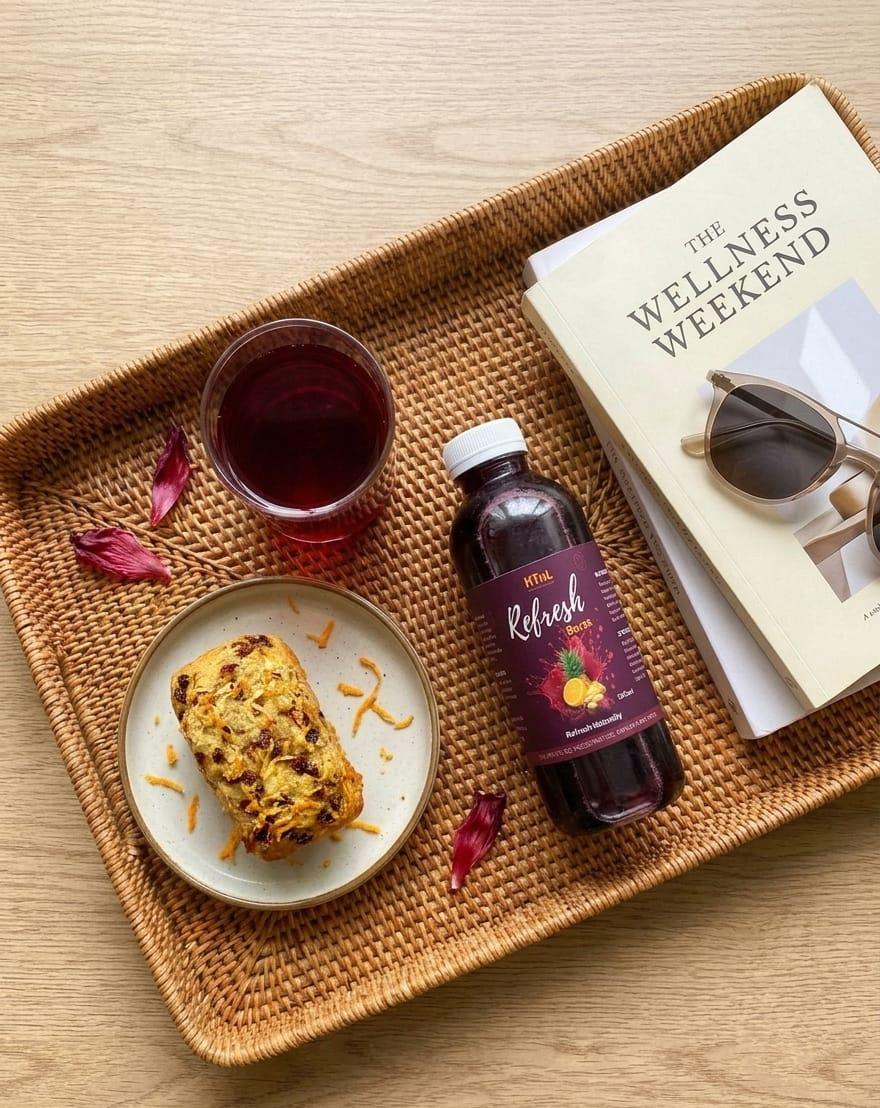
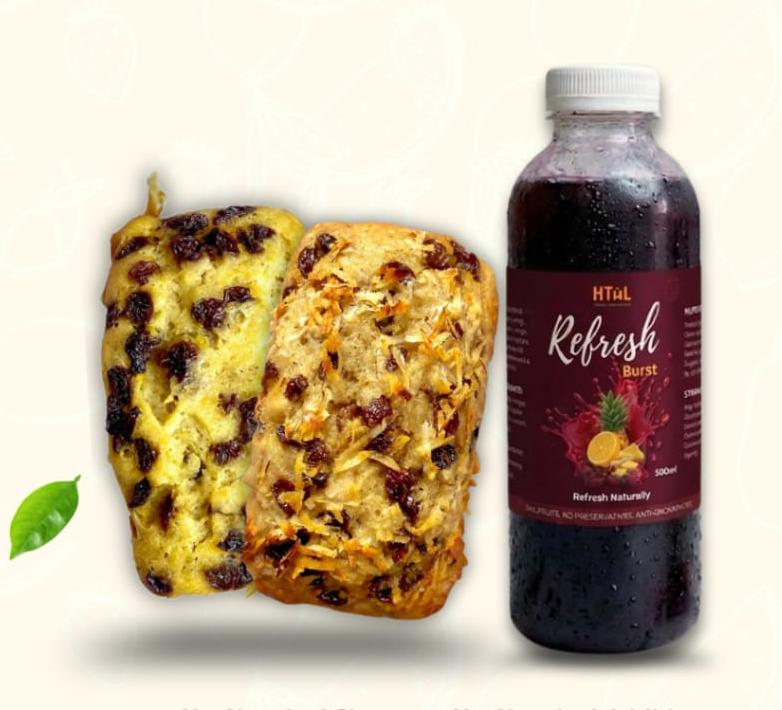
Muffins as a Balanced Morning Snack
Muffins are not just “cake in disguise”. When crafted with the right ingredients, a muffin is the ultimate portable fuel station.
By swapping refined flour for oats or almond meal and adding protein-rich Greek yogurt or flaxseeds, you transform a treat into a balanced macronutrient powerhouse.
They are pre-portioned, mess-free, and can be frozen in batches, making them the gold standard for anyone who needs to grab fuel and go.
Quick Healthy Snack Ideas for Work
For the modern professional, a snack needs to be more than just healthy; it needs to be efficient. If it requires a fork, a microwave, and ten minutes of prep, it’s probably not going to happen during a back-to-back meeting day.
Snacks That Fit a Busy Workday
Portability is king in the office. You need options that are “desk-friendly” and shelf-stable. Consider these low-maintenance winners:
- Handful of Raw Almonds: Zero prep, high crunch.
- Apple with Individual Nut Butter Packets: Fiber meets healthy fats.
- Roasted Chickpeas: A savory, shelf-stable alternative to chips.
Healthy Snacks That Prevent Energy Crashes
The dreaded 11:00 AM crash is usually caused by simple sugars (like that office donut) causing a spike and subsequent drop in glucose. To keep your energy a flat, consistent line, aim for the Fiber-Fat-Protein Trifecta.
High-Protein Work Snacks
Protein is the most satiating macronutrient. If you find yourself counting down the minutes until your lunch break, you likely need a protein boost to suppress ghrelin (the hunger hormone).
- Hard-Boiled Eggs: The original “power pellet”—prepare a batch on Sunday for the week.
- Cottage Cheese Cups: High in casein protein for a slow, steady release of amino acids.
- Beef or Turkey Jerky: Look for low-sodium, grass-fed options for a quick, savory hit of protein that requires no refrigeration.
What Should I Eat If I Crave Junk Food?
Cravings aren’t a sign of “weakness”; they are often your body’s way of communicating a specific need. Understanding the why can help you choose a better what.
Why Junk Food Cravings Happen
ravings usually stem from one of three sources: biological needs (like low sodium or energy), emotional triggers (stress or boredom), or habitual patterns.For instance, a craving for chocolate might actually be your body seeking magnesium, while a salt craving could indicate mild dehydration.
Smart Snack Swaps That Still Feel Satisfying
You don’t have to ignore the craving; you just have to upgrade the source. The goal is to match the texture and flavor profile of the junk food you want with something that offers nutritional value.
If you crave Potato Chips: Try Air-Popped Popcorn with nutritional yeast. You get the crunch and salt with significantly more fiber and fewer calories.
If you crave Candy: Reach for Frozen Grapes or Dried Mango. You get the hit of sweetness along with vitamins and antioxidants.
If you crave Ice Cream: Blend a Frozen Banana (often called “nice cream”) with a splash of almond milk. It provides the creamy texture without the added refined sugars.
Healthy and Filling Snack Ideas for Every Stage of Life
Nutrition isn’t one-size-fits-all; as our bodies age, our caloric needs and digestive capabilities shift.
Whether you’re fueling a growing toddler or supporting bone density in your later years, choosing age-appropriate snacks ensures you’re getting the specific nutrients required for your stage of development.
Toddlers: Soft, Safe, and Nutrient-Dense
For toddlers, snacks are essential “mini-meals” that support rapid growth. Focus on soft textures that are easy to chew and swallow to minimize choking risks.
Soft and Easy-to-Chew Snacks
Safety is the top priority when feeding toddlers. At this stage, coordination is still developing, so snacks must be soft enough to mash with gums or primary teeth while being nutrient-dense.
- Steamed Veggie Batons: Steaming carrots, zucchini, or sweet potato until they are “squish-soft” allows toddlers to practice their pincer grasp safely.
- Unripe Fruit Slices: Banana coins, soft pear wedges, or halved raspberries offer natural sweetness and essential vitamins without the choking risk of firm fruits like raw apples.
- Whipped Whole-Milk Yogurt: Full-fat dairy is crucial for brain development. Opt for plain yogurt to avoid added sugars, and stir in a little mashed fruit for flavor.
- Avocado Wedges: Known as “nature’s butter,” avocados provide healthy fats and a creamy texture that is incredibly easy for toddlers to swallow.
Building Healthy Eating Habits Early
The toddler years are a “window of opportunity” for palate development. The foods you introduce now set the blueprint for their future relationship with food.
Exposure Over Pressure: It can take up to 15 exposures for a child to accept a new food. Offering a piece of broccoli alongside a familiar snack helps normalize greens without the power struggle.
The Power of Variety: Introducing different colors, shapes, and textures helps prevent “picky eater” syndrome. Try offering a “snack tray” with three different colored foods to make the experience interactive.
Flavor Beyond Sugar: Use mild spices like cinnamon, nutmeg, or garlic powder to season snacks. This teaches children that food can be flavorful and savory without relying.
Kids: Energy for Play and Learning
School-aged children need a balance of slow-release carbohydrates and protein to keep them focused in the classroom. Apple slices with almond butter provide fiber and healthy fats to prevent mid-afternoon irritability.
For a fun, interactive option, homemade fruit leather (made without added sugars) or string cheese provides a portable boost that fits perfectly into a lunchbox or gym bag.
Teenagers: Fueling the Growth Spurt
Teenagers often face intense hunger due to puberty and high activity levels. To keep them satisfied, encourage “stacking” protein and complex carbs.
A whole-grain bagel with nut butter or a protein-packed smoothie with spinach, berries, and hemp seeds can help manage their energy levels.
For post-practice recovery, low-fat chocolate milk is a classic choice that provides the perfect ratio of carbs to protein for muscle repair.
Young Adults: Budget-Friendly Brain Power
For young adults balancing university or a new career, snacks must be affordable and efficient. Air-popped popcorn is a high-volume, low-cost whole grain that satisfies the urge to crunch during late-night study sessions.
Tuna pouches and hard-boiled eggs are excellent “desk-side” staples that provide high-quality protein and Omega-3s for cognitive health without breaking the bank.
Seniors: Satiety and Micronutrient Support
As metabolism slows in the later years, snacks should be high in fiber and protein but lower in empty calories to maintain muscle mass and digestive health.
Cottage cheese with canned peaches (in juice) is easy to digest and high in leucine, an amino acid vital for muscle preservation.
Walnuts are also highly beneficial, as they provide heart-healthy fats and antioxidants that support long-term brain health and inflammation management.
Healthy Late-Night Snacks
Choosing the right late-night snack is a balance between satisfying hunger and supporting your body’s nighttime rhythm.
The right choice can prevent you from going to bed hungry, help you fall asleep easier, and ensure you wake up feeling refreshed. The wrong choice, however, can lead to disrupted sleep, indigestion, and unnecessary calorie intake
Why Your Late-Night Snack Choice Matters
Eating too close to bedtime can interfere with your sleep cycle and digestion. However, going to bed overly hungry can also keep you awake.
A strategic snack serves to:
· Quiet hunger pangs that disrupt sleep
· Provide nutrients that may promote relaxation and sleepiness
· Stabilize blood sugar levels overnight
· Prevent overeating at breakfast due to excessive hunger
The goal is not a full meal, but a light, purposeful bite that aligns with your body’s wind-down process.
What Makes a Snack Ideal for Late Nights?
An optimal late-night snack is light, easy to digest, and contains sleep-supportive nutrients. It should be:
· Moderate in Size: Around 150-200 calories to avoid overloading your system.
· Balanced: Ideally combining a complex carb with a small amount of protein or healthy fat.
· Low in Added Sugar and Refined Carbs: These can cause blood sugar spikes and crashes, disrupting sleep.
· Free of Stimulants: Avoid caffeine and excessive spices.
When hunger strikes at night, you need something that satisfies without feeling heavy. These snacks prioritize high-volume, nutrient-dense foods that are gentle on the stomach.
High-Fiber & Hydrating Options
These foods provide a feeling of fullness primarily through fiber and water content.
- Sliced Cucumber or Bell Peppers with Hummus: Crunchy, hydrating vegetables paired with a modest spoonful of fiber- and protein-rich hummus.
- A Small Bowl of Berries: Naturally sweet, high in fiber and antioxidants, and very low in calories.
- Celery Sticks with a Thin Spread of Nut Butter: The ultimate crunch that takes time to eat, with healthy fats for staying power.
Protein-Focused Mini Meals
A small amount of protein can curb hunger effectively until morning.
- A Hard-Boiled Egg: Easy, portable, and about 70 calories of pure protein.
- ½ Cup of Cottage Cheese: Rich in casein protein (digests slowly) and contains tryptophan. Top with a few cherries for melatonin support.
- A Small Handful of Edamame (in pods): The act of shelling slows you down, and the soy provides plant-based protein and fiber.
Warm & Soothing Choices
Warm liquids and foods can have a psychologically calming effect.
A Small Bowl of Bone Broth or Miso Soup: Savory, hydrating, and warm without being heavy.
Herbal Tea (e.g., chamomile, ginger) with a Teaspoon of Honey: The ritual of tea signals relaxation, while a hint of honey can satisfy a sweet tooth.
Healthy Snacks That Support Better Sleep
Certain nutrients can directly promote the production of sleep-regulating hormones like melatonin and serotonin. These snacks are intentionally chosen for their sleep-enhancing components.
- Tryptophan-Rich Pairings: Tryptophan is an amino acid that is a precursor to serotonin and melatonin. It is most effective when paired with carbohydrates.
- Whole-Grain Crackers with Sliced Turkey: The carbs help transport tryptophan (in turkey) to the brain.
- Oatmeal with Sliced Banana: Oats are a natural source of melatonin, and bananas provide magnesium, potassium, and tryptophan.
- A Small Whole-Wheat Toast with Mashed Avocado: Complex carbs from the bread and healthy fats help sustain nutrient release.
Magnesium & Potassium Powerhouses:
These minerals are natural muscle relaxants and can help calm the nervous system.
- A Small Banana with Almond Butter: Bananas are rich in magnesium and potassium; almonds provide both magnesium and healthy fats.
- A Handful of Pumpkin Seeds: An excellent source of magnesium. Eat them alone or sprinkle on a small yogurt.
- A Glass of Tart Cherry Juice (4-6 oz): One of the few natural food sources of melatonin, shown in studies to improve sleep quality.
Foods to Avoid Before Bed
Understanding what not to eat is just as important.
- Heavy, Fatty, or Fried Foods: Difficult to digest and can cause discomfort.
- High-Sugar Snacks & Refined Carbs: Cause blood sugar instability, potentially leading to wakefulness.
- Spicy Foods: Can cause heartburn or acid reflux when lying down.
- Caffeine & Alcohol: Both are proven to fragment and disrupt sleep cycles.
Creating Your Routine
The best snack is one that fits into a calming pre-sleep routine. Give yourself at least 30-60 minutes between your snack and lying down to allow for initial digestion. Pair your snack with other relaxing activities like reading or light stretching to signal to your body that it’s time to rest.
Healthy and Filling Snacks on the Go
In our busy lives, a snack is often more than a treat, it’s essential fuel between meetings, during commutes, or while shuttling between activities. The right on-the-go snack combats energy slumps, prevents impulsive unhealthy choices, and keeps you satisfied until your next full meal.
A well-chosen snack provides sustained energy, key nutrients, and the convenience you need to power through your day. Reaching for whatever is fastest often means choosing options high in sugar, unhealthy fats, and empty calories.
Intentionally selecting portable snacks helps you maintain consistent energy and focus throughout the day, control hunger, preventing overeating at your next meal, save money compared to buying snacks at convenience stores or kiosks and meet your daily nutritional goals even with a hectic schedule.
The ideal portable snack is a strategic blend of nutrition, convenience, and satisfaction.
What Makes a Snack Great for On-the-Go?
The best travel-friendly snacks are non-perishable (or long-lasting), mess-free, and require little to no preparation. Key characteristics include:
- Durable Packaging: Can survive being tossed in a bag, car, or backpack.
- No/Low Refrigeration: Reliable without a cooler.
- Minimal Mess: Easy to eat with your hands, without crumbs or drips.
- Nutritional Balance: Contains protein, fiber, and/or healthy fats for lasting fullness.
Packable and Shelf-Stable Snacks
- These snacks are your reliable staples they can live in your desk drawer, glove compartment, or travel bag for days or weeks, ready when hunger strikes unexpectedly.
- Nut & Seed Mixes: Customizable, dense in nutrients, and incredibly portable.
- DIY Trail Mix: Combine raw nuts, seeds (like pumpkin or sunflower), a whole-grain cereal, and a small amount of dried fruit (with no added sugar).
- Single-Serve Nut Butter Packets: Pair with a whole-grain cracker pack or a banana bought on the go.
- Roasted Chickpeas or Edamame: Packed with plant-based protein and fiber; look for low-sodium versions.
- Whole Food Bars: choosing the right bar is a critical look for options where real food is the main ingredient.
Selection Criteria: Aim for bars with ~5g of fiber, ~5g of protein, and less than 8g of added sugar. The ingredients list should be short and recognizable.
Recommended Types: Bars based on nuts and dates, whole oats, or pureed fruit and seeds.
Long-Lasting Fruits & Pairings
Some fruits are nature’s perfect, pre-packaged snacks.
- Sturdy Fresh Fruits: Apples, pears, bananas, oranges, and mandarins are tough and transportable.
- Unsweetened Dried Fruit: In single-serving portions (e.g., figs, apricots, apple rings). Pair with a handful of nuts to balance the natural sugars.
- Pre-Portioned Tuna or Chicken Pouches: A fantastic shelf-stable protein source. Enjoy alone or with whole-grain crackers.
Grab-and-Go Snacks for Busy Days
These are the slightly more prepared or fresh options you can grab in 60 seconds on your way out the door. They bridge the gap between home cooking and total convenience.
Pre-Portioned & Ready-to-Eat
The key here is advance prep; spending 10 minutes on a Sunday to set up your week.
- Veggie Sticks with Hummus Cups: Pre-cut carrots, bell peppers, and cucumbers in a container with a single-serve hummus cup.
- Hard-Boiled Eggs: Peel and store in a reusable container with a pinch of salt and pepper.
- Cheese and Whole-Grain Crackers: Pre-slice cheese blocks or use string cheese with a small bag of whole-grain crackers.
- Overnight Oats in a Jar: Prepare in a portable jar with oats, milk (or yogurt), chia seeds, and frozen berries.
Smoothies & Shakes
A snack you can drink, ideal for the commute.
- Make-Ahead Freezer Packs: Pre-portion smoothie ingredients (spinach, fruit, protein powder) into bags and freeze.
- Grab one, blend with water or milk, and pour into a travel cup.
- Single-Serve Greek Yogurt Tubes: A favorite for kids and adults alike, offering protein and probiotics. Choose low-sugar varieties.
Smart Convenience Store Picks
- Best Picks: A piece of fresh fruit, a plain yogurt, a small bag of nuts, a hard-boiled egg (if available), or a bottle of milk or unsweetened soy milk.
- Items to Avoid: Candy bars, pastries, chips, and sugary drinks that lead to a quick energy crash.
Tips for Different Lifestyles
For Professionals: Keep a stash of high-quality bars, nut packs, and herbal teas in your desk drawer for long afternoons.
For Parents: Use a compartmentalized bento box for kids. Pre-pack snacks the night before and keep a cooler bag in the car with water, fruit, and yogurt tubes.
For Students: Opt for affordable, bulk items like popcorn, oatmeal packets, and bananas. A reusable water bottle and these snacks can save time and money between classes.
Healthy and Filling Snacks for Diabetics
For individuals managing diabetes, snacks are a strategic tool for maintaining stable blood sugar levels throughout the day. A well-chosen snack can prevent the dips and spikes that lead to energy crashes, irritability, and long-term
Preventing Hypoglycemia: A planned snack can help avoid dangerous low blood sugar, especially if you are on insulin or certain medications.
Managing Hunger and Portions: A healthy snack between meals can curb excessive hunger, helping you make better choices and control portions at your next main meal.
Providing Sustained Energy: Balanced snacks release glucose slowly, avoiding the sharp rise and fall that comes from simple carbohydrates.
Supporting Nutritional Goals: Snacks are an opportunity to incorporate extra fiber, healthy fats, and lean protein into your daily diet.
The core principle is balance and timing, focusing on how different nutrients work together to moderate the body’s blood sugar response.
Key Components of a Diabetic-Friendly Snack
An ideal snack combines macronutrients to slow digestion and the release of glucose. It should be:
- High in Fiber: Slows carbohydrate absorption and promotes fullness.
- Moderate in Protein: Helps stabilize blood sugar and provides lasting satiety.
- Contains Healthy Fats: Further slows digestion but in controlled portions due to high calories.
- Mindful of Carbohydrates: Focuses on complex carbs with a low glycemic impact, with careful attention to total carbohydrate count per serving.
- Portion-Controlled: Even healthy foods can affect blood sugar if eaten in large quantities.
What to Look for in Diabetic-Friendly Snacks
Choosing the right snack means looking beyond the “sugar-free” label and understanding how the interplay of nutrients affects your blood sugar. Here are the three most critical factors.
- Prioritize Fiber (Aim for 3-5g per snack)
Fiber is a diabetic’s best friend. It adds bulk without raising blood sugar, slows down the digestion of other carbs, and promotes heart health.
Look for snacks featuring non-starchy vegetables (like celery, bell peppers, broccoli), legumes (like hummus), nuts, seeds, and whole grains (like oats or quinoa).
A snack like raw veggies with guacamole provides fiber from the vegetables and healthy fats from the avocado, creating an excellent balance.
2. Master Sugar & Carbohydrate Awareness
Total carbohydrates have the most direct impact on blood sugar. The goal is to choose carbs that come packaged with fiber and nutrients.
Net Carbs vs. Total Carbs: While some people monitor “net carbs” (total carbs minus fiber), it’s often safest to start by tracking total carbohydrates and understanding your personal portion tolerance (typically 15-30 grams per snack is a common guideline).
Read Labels Scrupulously: Check the “Total Carbohydrates” line, not just “Sugars.” Look for “Added Sugars” and aim for snacks with little to none. Be wary of sugar alcohols (like maltitol, sorbitol) which can cause digestive upset and may still affect blood sugar.
3. Practice Strict Portion Control
Even healthy snacks can lead to elevated blood sugar if portions are too large. Precise portioning is essential.
Use Measuring Tools: Initially, use cups, scales, or measuring spoons to learn what a true single serving looks like (e.g., 1/3 cup of hummus, 1 ounce of nuts, 3/4 cup of blueberries).
Pre-Portion in Advance: Never eat directly from a large bag or container. Divide bulk items into single-serving bags or containers as soon as you buy them.
The Plate Method (for snacks): Visually, your snack should be composed of roughly half non-starchy vegetables, a quarter lean protein, and a quarter complex carbohydrate.
Building Your Balanced Snack
A Simple Formula: combine 1 serving of a high-fiber carb + 1 serving of protein or healthy fat.
Example 1 (Protein Focus): 1 small apple (carb+fiber) + 1 tablespoon of natural peanut butter (protein+fat).
Example 2 (Fiber & Fat Focus): 1 cup of cucumber slices (fiber) + 1/4 cup of cottage cheese (protein) + 1 tablespoon of sunflower seeds (fat).
Example 3 (Pre-Portioned): A single-serving, low-sugar Greek yogurt (protein) mixed with 2 tablespoons of chia seeds (fiber+fat).
Foods to Be Cautious With
- Diabetic” or “No-Sugar-Added” Processed Foods: Often still high in refined carbs and calories, and may contain sugar alcohols.
- Dried Fruits: Very concentrated in natural sugars. If consumed, keep portions tiny (e.g., 1-2 tablespoons) and pair with a protein/fat.
- Simple Carbohydrates Alone: Avoid snacks that are just crackers, bread, or fruit juice without a balancing nutrient.
Healthy and Filling Snack Recipes
Moving beyond simple grab-and-go items, homemade snacks allow you to control every ingredient, tailor flavors to your preference, and create truly satisfying combinations that store-bought versions can’t match.
Investing a few minutes in preparation yields snacks that are more nutritious, cost-effective, and delicious, turning a mundane bite into a nourishing ritual that actively supports your health goals.
The Advantage of Homemade Snacks
Creating your own snacks is a powerful step toward mindful eating. It provides:
Full Ingredient Transparency: You eliminate hidden sugars, excessive sodium, and unhealthy preservatives.
Customization: Adjust recipes for dietary needs, taste preferences, and what you have on hand.
Enhanced Satisfaction: The act of preparing food can increase meal enjoyment and satiety.
Cost Savings: Making snacks in batches is almost always cheaper per serving than buying pre-packaged equivalents.
The best recipes are simple, reliable, and flexible and designed to be made repeatedly without fuss.
Principles of a Great Homemade Snack
A successful recipe balances taste, texture, and nutrition with practicality. Look for recipes that are:
· Minimalist in Steps: Require no special skills and use common kitchen tools.
· Batch-Friendly: Can be made in larger quantities and stored for several days.
· Adaptable: Allow for easy ingredient swaps based on availability.
· Balanced: Naturally incorporate fiber, protein, or healthy fats for staying power.
Quick Homemade Snack Recipes
These recipes require 10 minutes or less of active prep. They are designed for simplicity, using minimal dishes to get from cupboard to plate (or container) with ease.
No-Bake Energy Bites
A classic for a reason infinitely customizable, no oven required.
· Base Recipe: In a bowl, mix 1 cup rolled oats, 1/2 cup natural nut or seed butter, 1/3 cup honey or maple syrup, and a pinch of salt.
· Add-Ins: Choose 1-2 from: 2 tbsp chia or flax seeds, 1/4 cup mini dark chocolate chips, 1/4 cup unsweetened shredded coconut, or 2 tbsp protein powder.
· Method: Stir until fully combined. Roll into 1-inch balls. Chill for 30 minutes. Store in the fridge for up to 2 weeks.
Savory Yogurt Bowl
A high-protein, savory alternative to sweet yogurt parfaits.
· Base: 3/4 cup plain Greek yogurt.
· Toppings: Drizzle with olive oil, sprinkle with everything bagel seasoning, and top with sliced cucumber and halved cherry tomatoes.
· Variation: “Ranch” style and mix in a teaspoon of dried dill and garlic powder, top with chopped chives.
Mash & Top Sweet Potato
Utilizes the microwave for a warm, comforting snack in minutes.
· Method: Prick a small sweet potato with a fork. Microwave on high for 3-5 minutes until soft.
· Toppings: Split open and mash the inside. Top with a sprinkle of cinnamon and a dollop of Greek yogurt or a tablespoon of almond butter.
Instant “Nice” Cream
A single-serving, fruit-based dessert-style snack.
· Method: Add 1 cup of frozen banana chunks to a food processor or high-power blender. Blend until completely smooth and creamy, scraping down sides as needed.
· Flavor Boost: Add 1 tablespoon of unsweetened cocoa powder or a handful of frozen berries before blending.
Budget-Friendly Healthy and Filling Snacks
Eating well does not require expensive superfoods. These recipes and ideas focus on pantry staples and seasonal produce to maximize nutrition per penny.
The Power of Pantry Staples
Build snacks around these low-cost, versatile foundations.
· Canned Beans & Lentils: Rinse and season chickpeas with paprika and roast for a crunchy protein snack. Mash canned beans with lemon and herbs for a rustic spread on crackers.
· Oats: The ultimate budget-friendly base for no-bake bites, or make a single serving of oatmeal with water and stir in a spoonful of peanut butter.
· Eggs: Hard-boil a dozen at the start of the week for the ultimate affordable protein snack.
· Popcorn: Buy kernels, not pre-bagged. Air-pop or stove-pop in a little oil, then season with nutritional yeast (“nooch”), chili powder, or a light sprinkle of grated Parmesan.
Smart Batch-Preparation Strategies
A little time upfront saves money and decision fatigue all week.
- The Big-Batch Roast: Toss inexpensive vegetables like broccoli florets, carrot sticks, or chickpeas in oil and spices. Roast on a sheet pan until tender. Store in the fridge for 3-4 days to add to snacks.
- DIY “Instant” Soup Mixes: In a jar, layer dried lentils, quick-cook grains (like bulgur), and dried vegetable flakes. When ready, add boiling water, let sit covered for 10 minutes, and you have a savory, filling mini-meal.
- Homemade Spice Blends: Create your own seasoning mixes (e.g., taco, ranch, curry) to transform plain popcorn, yogurt, or roasted veggies without buying pricey flavored products.
Recipe: Spiced Roasted Chickpeas
A crunchy, protein-packed alternative to nuts or chips.
1. Preheat the oven to 400°F (200°C). Rinse and drain one 15-oz can of chickpeas. Pat very dry with a towel.
2. Toss with 1 tbsp olive oil, 1/2 tsp smoked paprika, 1/2 tsp garlic powder, and 1/4 tsp salt.
3. Spread on a parchment-lined baking sheet. Roast for 25-35 minutes, shaking the pan halfway, until golden and crisp.
4. Let cool completely. They will crisp up further. Store in an airtight container for up to 5 days.
Shopping & Mindset Tips
Buy in Bulk: For shelf-stable items you use often (oats, nuts, seeds, lentils).
Embrace Frozen Produce: Frozen fruits and vegetables are just as nutritious, often cheaper, and prevent waste.
Love Leftovers: Repurpose last night’s roasted vegetables into a next-day frittata or grain bowl snack.
Focus on Whole Foods: A bag of potatoes, carrots, oats, and eggs offers far more nutritious snack potential per dollar than a box of protein bars.
FREQUENTLY ASKED QUESTIONS (FAQS)
WHAT IS THE HEALTHIEST FILLING SNACK?
There is no single “healthiest” snack for everyone, as individual dietary needs and preferences vary. However, the healthiest approach to a filling snack is universal: choose a balanced combination of macronutrients.
A snack that is truly filling and nutritious typically includes:
· Fiber: For slow digestion and gut health (e.g., vegetables, fruits, whole grains).
· Protein: For satiety and muscle repair (e.g., Greek yogurt, eggs, legumes, lean meats).
· Healthy Fat: For sustained energy and nutrient absorption (e.g., nuts, seeds, avocado).
The ideal snack balances at least two of these components. This combination slows the release of sugar into your bloodstream, providing steady energy and keeping you full longer than a snack of just carbohydrates. Examples of Balanced, Filling Snacks:
- Apple slices with almond butter (Fiber + Healthy Fat/Protein)
- Cottage cheese with pineapple chunks (Protein + Fiber)
- Whole-grain crackers with hummus (Complex Carb + Fiber/Protein)
Look beyond calorie count. A 100-calorie pack of refined crackers is less “healthy” and far less filling than a 200-calorie snack of Greek yogurt and berries because it lacks the balance that stabilizes hunger and blood sugar.
CAN SNACKS HELP WITH WEIGHT LOSS?
Yes, strategic snacking can be a powerful tool for weight loss, but mindless snacking can hinder it. The key difference lies in purpose and choice. Snacks support weight loss by:
1. Controlling Extreme Hunger: A well-timed snack prevents you from arriving at your next meal starving, which often leads to overeating and poor food choices.
2. Managing Portions: By curbing hunger between meals, you’re more likely to stick to appropriate portion sizes when you do sit down to eat.
3. Boosting Metabolism: Small, frequent meals and snacks can help keep your metabolism active throughout the day, though the effect is modest.
4. Providing Nutrient Density: Snacks are an opportunity to incorporate extra fruits, vegetables, lean protein, and fiber into your day nutrients that support overall health and satiety.
For weight loss, your snack should be:
· Planned: Not an impulsive reaction to boredom or stress.
· Portion-Controlled: Intended to tide you over, not be a full meal.
· Protein and Fiber-Focused: These nutrients are most effective at promoting feelings of fullness.
Takeaway: Snacking is not inherently good or bad for weight loss. It is a strategy. A planned 150-calorie snack of vegetables and hummus that prevents you from overeating a 400-calorie dessert later is a net win for your goals.
HOW OFTEN SHOULD I SNACK IN A DAY?
There is no magic number. The right snacking frequency depends entirely on your individual schedule, activity level, hunger cues, and meal sizes.
Consider these general frameworks:
· The 3-Meal Model: If your meals are substantial, balanced, and keep you satisfied for 4-5 hours, you may not need snacks at all.
· The 3-Meals + 1-2 Snacks Model: This is common for most adults. A mid-morning and/or mid-afternoon snack can help bridge gaps, especially if there are 5-6 hours between meals or if you have high activity levels.
· The “Mini-Meal” Model: Some people prefer eating 5-6 smaller meals/snacks throughout the day to manage hunger or medical conditions like hypoglycemia.
Listen to Your Body:
· Snack when you are physically hungry, not just when the clock says it’s “snack time.” True hunger cues include stomach growling, low energy, or slight difficulty concentrating.
· Avoid snacking out of habit, boredom, or emotion.
Start by assessing your hunger between meals. If you’re genuinely hungry 2-3 hours before your next meal, a small, balanced snack is appropriate. If you’re not hungry, you likely don’t need one.
ARE HEALTHY SNACKS SUITABLE FOR KIDS AND TODDLERS?
Absolutely. Healthy snacks are vital for children and toddlers, as they have smaller stomachs and higher energy needs relative to their size. The focus shifts slightly from adults to emphasize safety, development, and habit formation.
Essential Considerations for Young Children:
1. Choking Hazards: Avoid hard, round, or sticky foods.
· Avoid: Whole nuts, whole grapes, popcorn, large chunks of hard vegetables, spoonfuls of thick nut butter.
· Make Safe: Cut grapes and cherry tomatoes into quarters, grate or cook hard vegetables, thinly spread nut butter on toast or mix into yogurt.
2. Nutritional Needs: Focus on iron, healthy fats, protein, and fiber for growth and brain development.
Great Choices: Sliced avocado, mashed beans, oatmeal, soft cheese sticks, banana “boats” (banana with seed butter), full-fat plain yogurt.
3. Portion Size: A toddler’s snack is much smaller than an adult’s. Think 1-2 tablespoons per year of age for each food component.
4. Involvement & Exploration: Let toddlers help with simple prep (e.g., placing toppings on yogurt). Offer a variety of colors and textures to build acceptance.
Sample Toddler Snacks (Ages 1-3):
· “Smoothie Bites”: Freeze leftover smoothies in popsicle molds.
· Soft-steamed carrot or sweet potato “fries.”
· Scrambled egg strips with a side of soft pear slices.
Healthy snacks are excellent for kids when tailored to their developmental stage. Always prioritize safety by modifying food shapes and textures, and use snack time to expose them to a variety of nutritious foods.
FINAL THOUGHTS ON HEALTHY AND FILLING SNACKING
Healthy snacking is not about strict rules or deprivation; it’s a practical skill that supports your energy, health, and daily rhythm. When approached with intention, a snack is a powerful tool,it can prevent overeating, fuel your activities, and provide essential nutrients that might otherwise be missed.
· Balance is Key: Combine nutrients like protein, fiber, and healthy fats for satisfaction and stable energy.
· Purpose Matters: Snack in response to physical hunger, not boredom or habit, to support your specific goals.
· Planning Prevents Problems: A little preparation ensures you have healthy options at hand, making the better choice the easier choice.
· Context is Everything: The “best” snack changes whether you’re at home, on the go, managing a health condition, or feeding a child.
Ultimately, smart snacking is an act of self-care. It’s about listening to your body, nourishing it with quality foods, and giving yourself the consistent fuel you need to feel and perform your best. Start by incorporating one or two new ideas from this guide, and build a sustainable habit that works uniquely for you.