Cart 0


Walk into any Nigerian supermarket or open any desk drawer in Lagos and you will find snack options on both ends of the spectrum, whole foods that genuinely nourish, and highly processed products engineered for taste with minimum nutrition.
Most people know healthy snacks are better than junk food. But few understand why. what is actually happening nutritionally when you choose one over the other, and what that means for your body over time.
This guide breaks it down completely. We compare the nutritional value of popular junk foods against healthier alternatives, explain the key differences, address the questions most Nigerians are asking, and give you practical tools to make the shift.
Healthy Snacks vs Junk Food: Key Differences
The difference between a healthy snack and junk food is not simply about calories. It goes deeper than that, into what those calories are made of, how your body processes them, and what they leave behind after digestion.
What Junk Food Actually Is
Junk food is any food that is energy-dense but nutrient-poor. It delivers calories, that’s often significant ones, through refined carbohydrates, added sugars, unhealthy fats, and salt, while providing little to no protein, fibre, vitamins, or minerals in return. Your body gets the fuel but not the building blocks.
Common examples in Nigeria include sweetened biscuits, instant noodles, packaged chips, sugary drinks, fast food burgers, and processed meat snacks. For many Nigerians, these are no longer occasional indulgences, but are daily habits.
What Makes a Snack Genuinely Healthy
A genuinely healthy snack provides meaningful nutrition alongside its calories. It contains at least one of the following in useful amounts: protein to support muscle and satiety, dietary fibre to support digestion and blood sugar stability, healthy fats to support brain and heart health, or micronutrients, vitamins and minerals that support body functions. Ideally, it contains several of these at once.
The best healthy snacks are minimally processed, made from recognisable whole-food ingredients, and free from artificial preservatives, flavour enhancers, and refined additives. Roasted groundnuts, boiled eggs, tiger nuts, moi moi, soya milk, and naturally baked goods made with whole ingredients all qualify.
Key difference: Junk food feeds your hunger briefly. A healthy snack feeds your body genuinely and keeps you satisfied for longer because of it.
Nutritional Value of Popular Junk Food vs Healthier Alternatives
Numbers tell the story more clearly than words. Here is a direct comparison of some of the most commonly consumed junk food options in Nigeria against healthier alternatives that are equally accessible.
Packaged Sweet Biscuits vs Roasted Groundnuts
Junk: Packaged sweet biscuits (1 serving, ~30g)
Approximately 150 calories, 20g refined carbohydrates, 7g added sugar, 6g fat, less than 2g protein, near-zero fibre. Ingredients are typically refined flour, palm oil, sugar, and artificial flavouring.
Healthy swap: Roasted groundnuts (1 small handful, ~28g)
Approximately 160 calories, 7g protein, 5g carbohydrates, 2g fibre, 14g healthy monounsaturated fat, magnesium, vitamin E, and zero added sugar. Same calorie count and with completely different nutritional outcome.
Instant Noodles vs Moi Moi
Junk: Instant noodles (1 block, ~85g dry)
Approximately 380 calories, 54g refined carbohydrates, 14g fat, over 1,500mg sodium, less than 8g protein, and virtually no vitamins, minerals, or fibre. The seasoning packet alone often contains MSG, artificial flavouring, and palm oil.
Healthy swap: Moi moi (1 standard portion, ~150g)
Approximately 150 calories, 9g plant-based protein, 5g dietary fibre, significant iron, folate, and potassium. Made from blended beans, peppers, and spices. A whole food ingredients with zero artificial additives.
Sugary Carbonated Drinks vs Zobo / Tiger Nut Drink
Junk: Sugary carbonated drink (1 bottle, ~350ml)
Approximately 150 calories of pure added sugar are around 38g. Zero protein, zero fibre, zero vitamins, zero minerals. A direct delivery system for sugar into the bloodstream with no nutritional benefit whatsoever.
Healthy swap: Zobo drink or kunu aya (tiger nut drink)
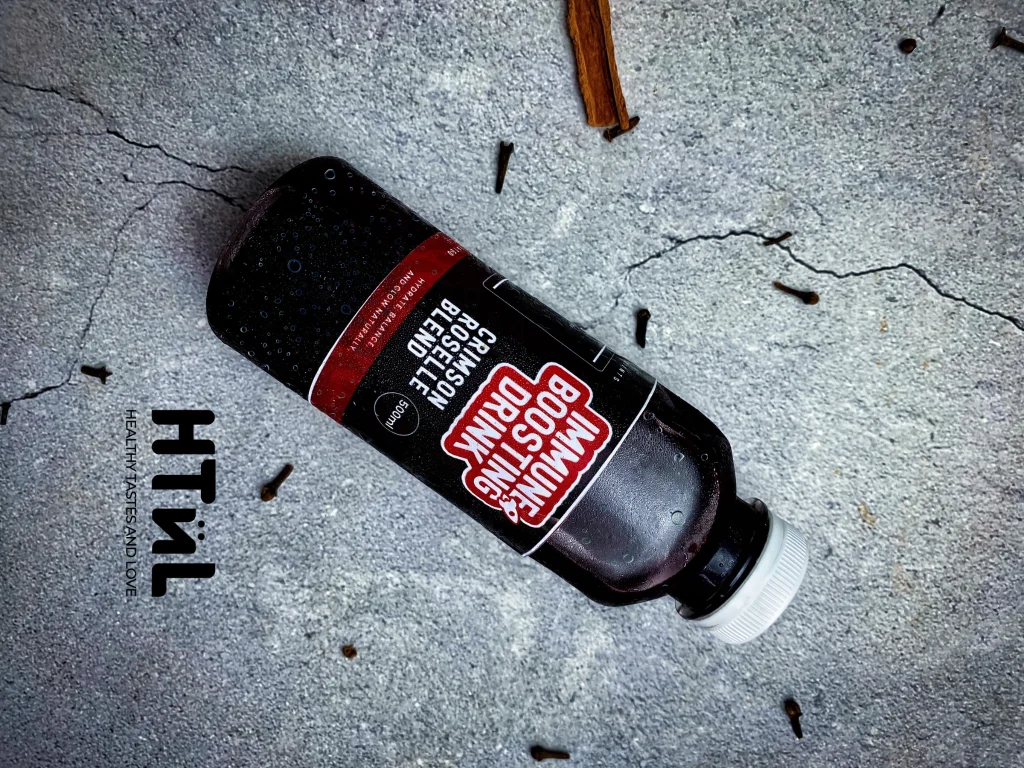
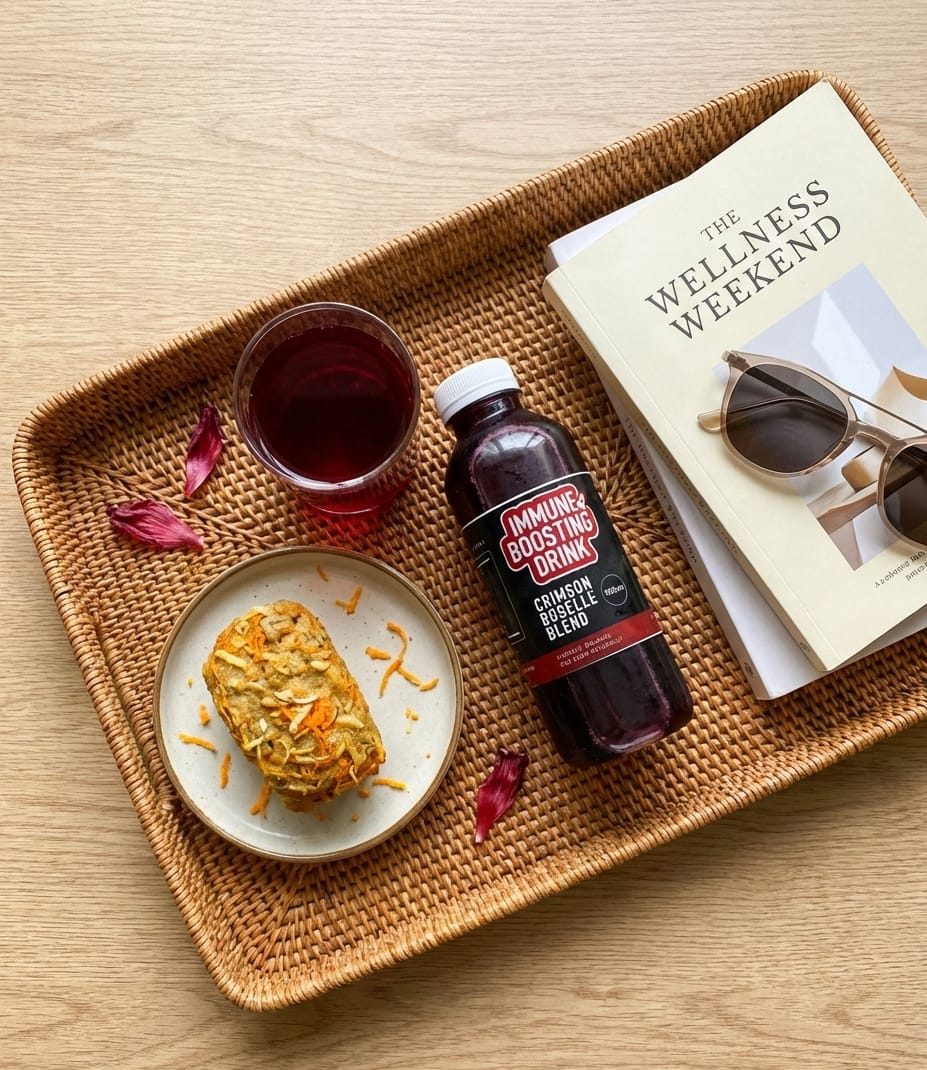
Zobo made naturally with hibiscus, ginger, and pineapple delivers antioxidants, vitamin C, and anti-inflammatory compounds. Tiger nut drink (kunu aya) provides prebiotic fibre, magnesium, and natural sweetness with no added sugar. HTNL’s CRB drink is a natural zobo like option made with hibiscus, pineapple, ginger, clove, and jaggery that’s flavourful, functional, and entirely natural.
Fast Food Burger vs Banana x Carrot Muffin
Junk: Standard fast food burger
Approximately 500–700 calories, 40–50g refined carbohydrates, 25–35g fat (including trans fats), over 1,000mg sodium, and minimal fibre or micronutrients despite the calorie load.
Healthy swap: Banana x Carrot muffin (naturally baked)
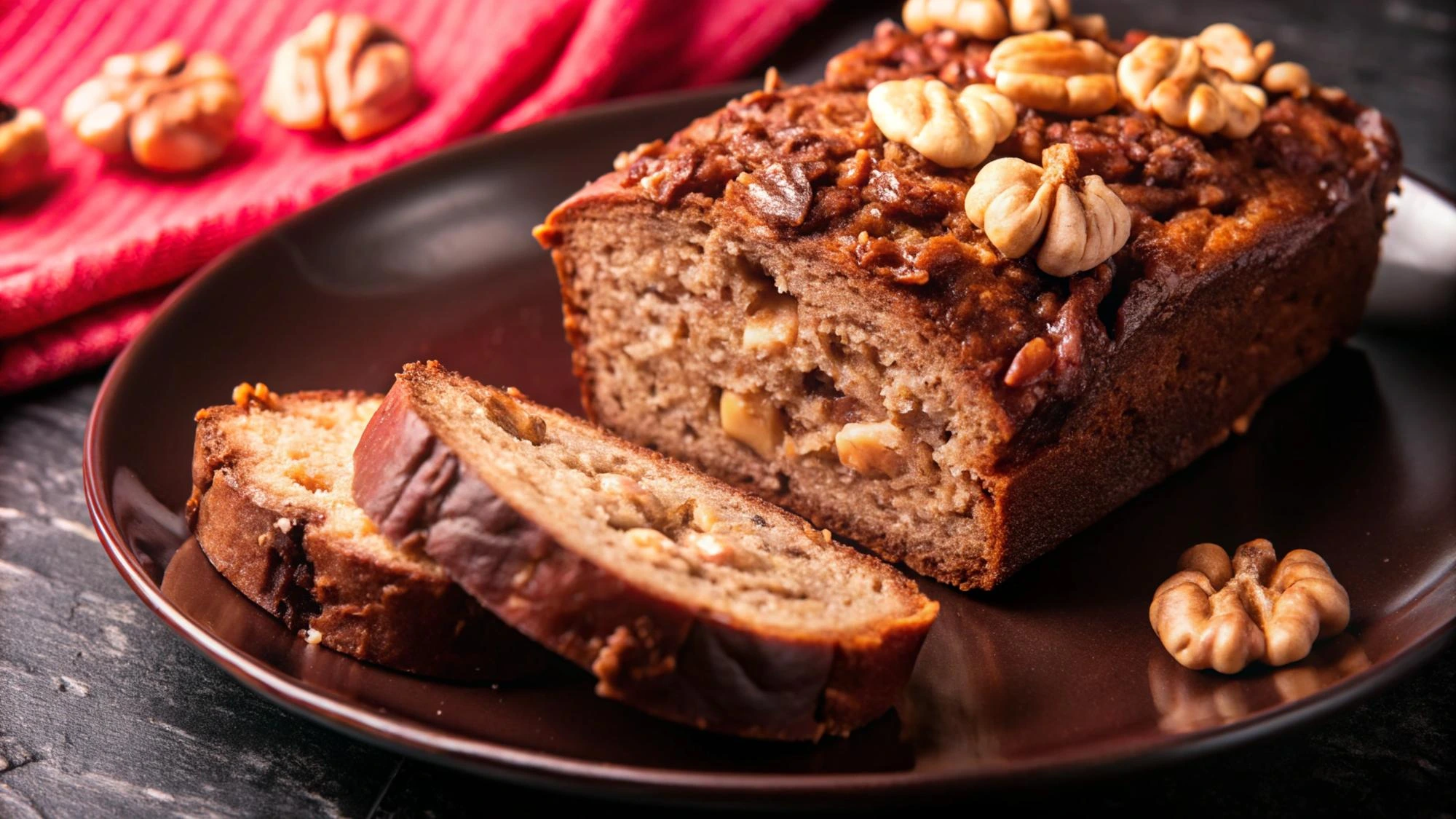
A naturally baked Banana x Carrot muffin delivers complex carbohydrates from banana, beta-carotene and vitamin K from carrot, natural sweetness without refined sugar, and no artificial preservatives. Far fewer calories, real nutritional value, and ingredients you can actually read.
Nutritional insight: The healthier option is not always the lower-calorie option. It is the option whose calories come with nutrition attached, like protein, fibre, vitamins, and minerals your body can actually use.
Why Healthy Food Is Better Than Junk Food
This is not just about weight or aesthetics. The case for healthy food over junk food is rooted in how your body actually functions day to day.
Blood Sugar and Energy Stability
Junk food are particularly refined carbohydrates and sugary snacks that causes rapid spikes in blood sugar followed by sharp crashes. These crashes manifest as fatigue, difficulty concentrating, irritability, and renewed hunger within the hour. It is the reason you can eat a full packet of biscuits and feel hungry again twenty minutes later.
Healthy snacks that contain protein, fibre, and healthy fats slow the absorption of glucose into the bloodstream, producing a steady, sustained energy release. This is what keeps you focused and functional for hours and not just minutes.
Long-Term Health Outcomes
Regular junk food consumption is directly linked to type 2 diabetes, hypertension, obesity, and cardiovascular disease and risks that are no longer theoretical. Rates of lifestyle diseases are rising sharply in Nigerian urban centres.
Consistently choosing nutrient-dense foods actively supports immune function, cognitive performance, mood stability, and healthy ageing. The investment is daily. The return is lifelong.
Gut Health and Digestion
A diet high in junk food is low in fibre, high in artificial additives which disrupts the gut microbiome, the community of beneficial bacteria that supports digestion, immunity, and even mental health. Many of Nigeria’s best traditional snacks, tiger nuts, moi moi, fermented ogi, are naturally prebiotic or probiotic, supporting gut health in ways most processed snacks actively undermine.
Tips to Switch From Junk Food to Healthy Eating
Knowing junk food is harmful is rarely enough. The switch requires practical strategies that work within real Nigerian life and their busy schedules, limited time, and a food environment dominated by processed options.
- Start with substitution, not elimination. Do not try to remove junk food entirely at once. Replace one junk food habit at a time with a better alternative. Swap the biscuits for groundnuts. Swap the fizzy drink for zobo or tiger nut drink. Small, consistent swaps compound over time.
- Prepare snacks in advance. The biggest trigger for junk food consumption is unpreparedness. Spend ten minutes on Sunday portioning groundnuts, boiling eggs, or sourcing moi moi for the week. When a healthy option is already in your bag or drawer, it wins by default.
- Read ingredient lists, not just labels. Products marketed as “healthy,” “natural,” or “nutritious” are not always what they claim. Ignore the front of the pack. Read the ingredients list. If sugar, refined flour, or palm oil appears in the first three ingredients, treat it as junk food regardless of the branding.
- Crowd out junk food with whole foods. Rather than focusing on what to remove, focus on adding more whole foods to each day. The more groundnuts, fresh fruit, naturally made snacks, and whole-food meals you eat, the less space and appetite junk food occupies.
- Find naturally made alternatives you actually enjoy. Sustainability depends on satisfaction. If your healthy snacks feel like punishment, they will not last. HTNL’s naturally baked muffin range including the Banana x Carrot and Carrot x Coconut options that exists precisely for this reason. A snack that is genuinely delicious and genuinely healthy removes the trade-off entirely.
- Do not reward yourself with junk food. Many Nigerians unconsciously treat junk food as a reward. A burger after a hard week, chips after a long commute. Reframe what a treat looks like. A naturally made, freshly baked snack from quality ingredients is a reward. It just does not come at the expense of your health.
Healthy Snacks: A Guide to Smarter Choices
Making smarter snack choices does not require perfection or a complete dietary overhaul. It requires a framework with a consistent way of evaluating options that cuts through marketing noise and gets to what actually matters.
The Three Things to Always Check
Protein content: A snack with at least 4–5g of protein will satisfy you meaningfully. One without will leave you hungry within the hour.
Fibre content: Fibre slows digestion, stabilises blood sugar, and feeds gut bacteria. Look for at least 2g per serving. Most junk foods contain none.
Ingredient list length: The fewer and more recognisable the ingredients, the better. If you cannot read the list without a chemistry degree, put it back.
Best Healthy Snack Swaps for Nigerians
- Instead of biscuits: Roasted groundnuts or a naturally baked muffin with whole-food ingredients.
- Instead of instant noodles: Moi moi from a trusted vendor, or boiled eggs with a piece of whole-grain bread.
- Instead of fizzy drinks: Naturally made zobo, tiger nut drink, or soya milk. HTNL’s CRB drink is a ready-made natural option worth keeping on hand.
- Instead of chips: Tiger nuts for crunch and natural sweetness, or lightly salted roasted groundnuts.
- Instead of fast food: A combination of a naturally baked snack and a functional drink makes a satisfying, complete snack moment without the metabolic cost.
Smart choice principle: The best healthy snack is the one you will actually eat consistently. Build your routine around options that are accessible, affordable, and genuinely satisfying and not just nutritionally correct on paper.
Frequently Asked Questions
Are your healthy snacks actually healthy?
Not always and this is one of the most important questions to ask. The health food marketing industry is large and not always honest. Many products labelled “natural,” “wholesome,” or “high-protein” in Nigerian supermarkets are ultra-processed, high in added sugar, and nutritionally inferior to traditional whole-food options.
The test is simple: read the ingredients list. If it is long, contains words you cannot pronounce, or lists sugar or refined flour among the first three ingredients, the product is not a healthy snack regardless of what the packaging claims. Plain yoghurt is healthy. Flavoured yoghurt with 25g of added sugar is not. Natural peanut butter is healthy. A peanut-flavoured biscuit is not. The word “healthy” on a label proves nothing but the ingredient list proves everything.
Are all processed foods considered junk food?
No, and this is an important distinction. Processing exists on a spectrum. Minimally processed foods, roasted groundnuts, pasteurised milk, frozen vegetables, canned beans all retain most of their nutritional value and are not junk food. The concern is with ultra-processed foods: products manufactured with industrial ingredients, artificial additives, flavour enhancers, and preservatives that have no place in a home kitchen.
The key question is not “was this food processed?” but “how much was it processed, and what was added or removed in that process?” A naturally baked muffin made with banana, carrot, and whole ingredients is a processed food, As it went through an oven. It is not junk food. A packaged biscuit made with refined flour, palm oil, glucose syrup, and artificial flavouring is also a processed food. It is junk food. The degree of processing and the quality of ingredients are what determine the distinction.
Final Thoughts
The comparison between healthy snacks vs junk food is not really a comparison between two types of food. It is a comparison between two outcomes, one that builds your body up over time, and one that quietly breaks it down.
Nigeria already has access to some of the most nutritious snack options in the world. Groundnuts, tiger nuts, moi moi, zobo, soya milk, boiled eggs, these are not health food imports or expensive wellness trends. They are part of the culture, available at every market and junction, and nutritionally superior to the processed alternatives that have increasingly replaced them.
The shift does not have to be dramatic. One substitution at a time, one label read, one prepared snack in your bag instead of a packet of biscuits. That is how habits change and not all at once, but consistently.
And when you want a snack that already makes that choice easy, natural ingredients, freshly baked, honestly made. HTNL (Healthy Taste and Love) is doing exactly that in Lagos. From their Banana x Carrot and Carrot x Coconut muffins to their natural CRB zobo drink, every product is built on the same principle: real food, real ingredients, no compromise. Because healthy and delicious should never have to be a trade-off.